The forefront of reform and opening up. In 2020, it was invested by the mainland government to build a new LCD production line in Huaihua, Hunan. The company's main products are Segment code screen TN /HTN /STN /FSTN ,LED backlight, COG lattice LCD module, COB standard module, OLED standard display screen and TFT color screen. The company has 2 segment code screen production lines, 4 backlight production lines, 5 FOG binding lines and 10 assembly production lines. The factory buildings in Shenzhen and Hunan have a production area of 10,000 sqm and 500 employees. The company's business philosophy 'create value for clients '.The production sites of the factory are respectively located in Huaihua, Guangdong, Shenzhen and Hunan, with one LCD segment code screen production line, four backlight production lines, five FOG binding lines and ten module assembly production lines. The total production area of factories in Shenzhen and Hunan is 10,000 + ㎡, with 100~10,000 level constant temperature and humidity dust-free workshops, with more than 500 front-line employees, 28 technicians and 9 sales engineers.
Why Choose Us
Production Line
The company has 1 LCD segment code screen production line, 4 backlight production lines, 5 FOG binding lines and 10 module assembly production lines. Perfect automation equipment technology, stable shipment, daily production of 30000 +/piece.
Production Experience
More than ten years of production experience since its establishment, at the same time, strengthen the training of production management personnel, front-line employees, business and sales teams to ensure smooth customer communication, high cooperation and accurate delivery time.
Our certification
The factory has passed SIO9001 quality system certification and ROHS certification.
After-sales
The company has offices in many places (Shenzhen, Ningbo, Zhengzhou) with perfect after-sales service mechanism, providing technical support before and after sales, and arranging engineers nearby to provide on-site service.

"0802COB LCD module" is a common LCD module with 8 rows and 2 columns of character display capability. It uses COB (Chip on Board) technology to directly package the driver chip on the module backplane, so it has a compact design and stable performance. 0802A character LCD module is a dot matrix LCD module specially used to display letters, digital elements, symbols, etc.

1601 LCD module is a miniaturized LCD display device, which is widely used in various electronic products, such as smart watches, stage light controllers, screw machines, portable electronic devices, etc. It adopts a 16-character × 1-line display structure, has high integration and low power consumption, and is suitable for scenes that need to display short information. It usually contains components such as LCD panel, drive circuit and controller chip.

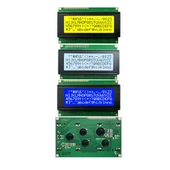
Alphanumeric 1602A LCD Display
1602 LCD is a common character LCD module, which is widely used in various electronic devices and embedded systems. Its name "1602" means that the display can display 16 columns and 2 rows of characters. 1602 LCD module is widely used in various electronic devices and embedded systems for its simple, practical, stable and reliable characteristics. It provides users with clear and reliable text information display function and is an important part of electronic product design.

1604 LCD module is a highly integrated LCD display module, usually used in devices that need to display more characters and information. It uses COB (Chip-on-Board) packaging technology to integrate the LCD display, drive circuit and control logic on a circuit board, with good display effect, integration and stability..

The 2002 LCD screen is a common liquid crystal display module, which is usually used as a display device in electronic products. The "2002" in its name refers to its pixel resolution of 20 columns × 2 rows. 2002A LCM is commonly used in various consumer electronic products and embedded systems, such as electronic blood pressure monitors, thermometers, electronic clocks, etc., and is popular because of its simplicity, reliability and moderate cost.

2004LCD Moudle is a liquid crystal display module based on COB (Chip-on-Board) technology. The "2004" in its name refers to its pixel resolution of 20 columns × 4 rows. This type of screen is widely used in various electronic devices and embedded systems, and is favored for its high integration, strong stability and good display effect.

LCD Display 128x128 Graphic LCD
128128COG LCD screen module is a high-performance LCD screen module, which is widely used in various electronic products. It has a resolution of 128x128, adopts COG (Chip on Glass) packaging technology, and is an integrated module consisting of a 128x128 pixel LCD screen and a driver chip. It has high-quality display effects and stable and reliable performance.

240*160 Monochrome LCD Spi Display
The 240160COG LCD dot matrix screen is a small LCD screen with a resolution of 240x160 pixels, which has the ability to display images and texts in various electronic devices. It adopts COG (Chip on Glass) technology, which achieves compact design and high-quality display effects by integrating the driver chip on the glass substrate.

12232 LCD dot matrix screen is a common LCD screen, which is characterized by a pixel matrix structure of 122 columns and 32 rows, capable of displaying images and text. It is widely used in various electronic devices, such as calculators, electronic clocks, thermometers, electronic scales, etc.
What Is 0802 LCD Display
"0802COB LCD module" is a common LCD module with 8 rows and 2 columns of character display capability. It uses COB (Chip on Board) technology to directly package the driver chip on the module backplane, so it has a compact design and stable performance. 0802A character LCD module is a dot matrix LCD module specially used to display letters, digital elements, symbols, etc.
Energy Efficient
LCDs are known for their energy-efficient properties. They still require power to illuminate the respective pixels, but small LCD screens use less electricity than non-LCD displays. It means they can be more cost-effective when compared with these older technologies. LCDs offer cost-savings benefits in the form of cheaper utility bills. You'll pay less for your energy costs if you choose an LCD over a non-LCD device, making it one smart investment.
Long-Lasting
0802 LCD Display typically last for a very long time. LCDs may only lose brightness over the years, not like CRT Displays which can actually break. With an LCD, you can enjoy years and decades' worth of viewing pleasure. It is because the typical lifespan for these displays is much longer than CRT models. They are much more durable than CRT displays, with a typical lifespan of 60,000 hours. LCD screens may last up to 20 years on your average user's usage.
LCD Backlighting
One of the most common types of backlight used in LCDs is LED. This technology offers a number of advantages over standard cathode ray tube (CRT) displays. It includes being energy efficient and effective for illuminating liquid crystal pixels from behind. LCDs are now more popular than ever. With backlighting from LEDs, they can be both effective and environmentally friendly.
No Screen Burn-In
0802 LCD Display are the best for watching videos because they don't have screen burn-in. You can watch an image on your 0802 LCD Display for hours without fear of it "burning" into the picture. Unlike other types of displays that might wince or flicker, LCD screens are not susceptible to screen burn-in, unlike CRT monitors that can experience this phenomenon. LCD displays only use phosphor compounds for their pixels, so they aren't susceptible to the problem that traditional CRT monitors have been known to suffer from.
Support Small And Low Sizes
A Small 0802 LCD Display is a great addition to any home. Small LCD screens are typically 7 inches with a touch screen. LCD devices come in all sizes and shapes. While some of them are large, others take on a narrow design that can be Cordless or thickness-limited by their power source – making it perfect for smaller applications like smartphones and tablets.
Types of 0802 LCD Display
TN LCD screen
Twisted nematic panel is the most widely used entry-level LCD panel with low production cost and is widely used in mid- to low-end LCD products on the market. Its viewing angle is relatively poor and its light transmittance is low, resulting in a relatively dark picture effect, but it is small in size, light in weight and cheap in price.
HTN LCD screen
Highly twisted nematic, nematic liquid crystal molecules are sandwiched between two transparent glasses, and the orientation of the liquid crystal molecules is deflected by 110 to 130 degrees between the two layers of glass.
STN-LCD
Super twisted nematic liquid crystal display, which displays by changing the electric field through an external electric field. The liquid crystal of the STN LCD screen rotates 180~270 degrees in the LCD screen, and due to dispersion, the background color of the LCD screen will display a certain color, such as yellow-green or blue.
FSTN LCD screen
In order to improve the background color problem of ordinary STN, FSTN adds a compensation film to the polarizer to eliminate dispersion and achieve black and white display.
TFT LCD screen
Thin film transistor type LCD screen, also known as "true color" display screen. TFT is the prototype of all current LCD screen improvements, focusing on pixels and color balance, and different color qualities have different display effects. It belongs to the dot matrix type and is widely used in mobile phones, computers and other mobile devices.
Segment code LCD screen
The initial product was developed in Japan. It is mainly used to replace LED digital display tubes, such as calculators, clocks, etc. The displayed content is all numbers.
Application of 0802 LCD Display


Handheld Devices
0802 LCD displays are an integral part of handheld devices such as smartphones, tablets, e-readers, and gaming consoles. These displays provide vibrant colors, high resolution, and excellent visibility in various lighting conditions. The touch-sensitive capabilities of 0802 LCD displaysenable seamless interaction, making them essential for user interfaces and multimedia experiences. From browsing the internet to watching videos and playing games, 0802 LCD displays have transformed the way we engage with portable devices.
POS and Vending Machines
Point of Sale (POS) systems and vending machines rely on 0802 LCD displays to provide clear and concise information to customers. LCD screens offer sharp text and graphics, enabling users to easily navigate through menus, make selections, and complete transactions. The versatility of LCD technology allows for dynamic pricing, real-time updates, and interactive interfaces, enhancing the overall user experience in retail and self-service environments.
Telecom and Communication
In the telecom and communication industry, 0802 LCD displays play a vital role in devices like smartphones, feature phones, cordless phones, and communication terminals. These displays provide clear caller ID information, messaging notifications, signal strength indicators, and intuitive user interfaces for accessing various functionalities. 0802 LCD technology ensures that users can read messages, view contacts, and manage calls with ease, contributing to seamless communication experiences.
Smart Home
The concept of a smart home relies heavily on 0802 LCD displays to provide users with real-time information and control over their connected devices. From smart thermostats and security systems to home automation panels, 0802 LCD screens enable homeowners to monitor and adjust settings, view security camera feeds, manage energy consumption, and access multimedia content. The crisp and vibrant displays ensure that users can easily navigate through menus and control their smart home ecosystem effortlessly.
Backlighting
All LCDs have backlighting. Backlighting consists of bulbs - typically light-emitting diode (LED) or electroluminescent (EL) bulbs - that illuminate the LCD's pixels. The pixels can't illuminate themselves. Rather, they require illumination via backlighting. The backlighting is installed behind the LCD's pixels where it's able to illuminate them.
Liquid Pixels
LCDs contain liquid pixels that change color to create visible images. The liquid pixels used in LCDs have the unique property of propagating light. In other words, light can travel through the liquid pixels. The backlighting produces light that illuminates the LCD's liquid pixels.You can identify the number of liquid pixels used in an LCD by referencing its resolution. Like with other display devices, the resolution of an LCD refers to its total number of pixels. Resolution is expressed by the number of horizontal pixels and the number of vertical pixels used in an LCD.
Polarizing Layers
Along with backlighting and liquid pixels, LCDs contain polarizing layers. Also known simply as polarizers, they are designed to polarize the light produced by the LCD's backlighting system.Most LCDs contain two polarizing layers. The two polarizing layers are placed on top of each other. The orientation of these polarizing layers can be adjusted through the application of a voltage, thereby controlling the amount of light that passes through them.
How to Choose 0802 LCD Display
Display Size and Resolution
Determining the appropriate display size and resolution is essential for optimal viewing comfort and productivity. Factors such as viewing distance, content type, and workspace limitations play a crucial role in finding the right balance between screen size and resolution.
Refresh Rate and Response Time
For gamers and fast-paced content, a higher refresh rate and lower response time are paramount to ensure smooth visuals and minimize motion blur. Understanding the significance of these specifications is crucial for an enjoyable gaming or multimedia experience.
Color Accuracy and Panel Technology
Color accuracy is vital for professionals working in fields like graphic design, photography, or video editing. Choosing an LCD monitor with a high-quality panel technology, such as IPS or OLED, can provide accurate color reproduction and wider viewing angles.
Ergonomics and Eye Care
Considering ergonomic features such as adjustable height, tilt, and swivel options can greatly enhance your comfort during prolonged usage. Additionally, features like flicker-free technology and blue light filters help reduce eye strain and promote healthier viewing habits.
lmproving 0802 LCD Display Ratio: Methods for Enhancing Display Clarity
Backlight Adjustment
Adjusting the display's backlight can have a significant impact on contrast increasing backlight intensity will improve contrast, allowing the display to produce deeper blacks and brighter whites. However, higher backlight settings can reduce display lifespan and increase power consumption.
Local Dimming
Some LCD displays utilize local dimming, where the backlight intensity is varied in different areas of the screen. This allows dark areas of an image to remain dim while bright areas are illuminated. Local dimming can provide up to a 50% improvement in contrast ratio versus a non-dimming backlight.
High Dynamic Range(HDR)
High Dynamic Range or HDR is a technique where the display supports a wider range of luminance levels. By increasing the range between the deepest black and brightest white the display can produce, HDR can double the standard contrast ratio. HDR-capable displays require HDR content and graphics cards to leverage the increased range.
Panel Bit Depth
Increasing the bit depth of the LCD panel itself, from traditional 6-bit (262,000 colors) up to 10-bit (1.07 billion colors) or higher, provides more available shades for the display to produce. However, higher bit panels tend to cost significantly more.
How to Maintain 0802 LCD Display
Prevent Screen Burn-In
Screen burn-in occurs when static images are displayed for prolonged periods, causing ghostly remnants to appear even when new content is displayed. To prevent screen burn-in, avoid displaying static images or leaving the display on for extended periods without any content changes. Consider implementing screen savers or periodic content rotations to mitigate the risk of burn-in.
Maintain Optimal Operating Temperatures
Extreme temperatures can negatively impact the performance and longevity of LCD displays. Avoid exposing your display to excessive heat or cold. Ideally, maintain a moderate operating temperature within the manufacturer's recommended range. If the display is installed in an area prone to temperature fluctuations, consider implementing proper ventilation or climate control measures to ensure a stable environment.
Protect Against Power Surges
Power surges can damage the internal components of your LCD display. To protect against power surges, use a high-quality surge protector or an uninterruptible power supply (UPS). These devices help regulate the electrical flow to your display, minimizing the risk of damage caused by sudden voltage spikes.
Follow Manufacturer's Guidelines
Each LCD display may have specific maintenance guidelines provided by the manufacturer. It is essential to familiarize yourself with these guidelines and follow them diligently. The manufacturer's recommendations regarding cleaning methods, recommended usage, and warranty terms should be adhered to for optimal performance and to maintain warranty coverage.
Our Certificate


Our Factory


FAQ
Hot Tags: 0802 lcd display, China 0802 lcd display manufacturers, suppliers, factory, Alphanumeric 1602A LCD Display