

Hey there! As a supplier of graphic displays, I've seen firsthand how crucial contrast ratio is when it comes to the viewing experience. So, let's dive into how this factor can make or break your time in front of a screen.
What's the Deal with Contrast Ratio?
First things first, what exactly is contrast ratio? In simple terms, it's the difference between the brightest white and the darkest black that a display can produce. It's usually represented as a ratio, like 1000:1. The higher the first number, the better the contrast.
Imagine you're watching a movie. In a scene with a bright, sunny beach and then a sudden transition to a dark cave. A display with a high contrast ratio will show the beach with vivid, bright colors and the cave as a deep, rich black. On the other hand, a low-contrast display might make the cave look more like a grayish blob, and the beach won't have that pop of color.
How It Affects Different Types of Content
Movies and TV Shows
As I mentioned earlier, movies and TV shows have a wide range of lighting conditions. High - contrast displays are a game - changer here. They can bring out the details in both bright and dark scenes. For example, in a horror movie, the dark corners of an old mansion will look truly spooky, and the moonlight shining through the windows will be crisp and clear.
If you're a fan of action movies with lots of explosions and bright flashes, a high - contrast display will make those scenes look more intense. The explosion will have a bright, blinding center, and the surrounding darkness will add to the drama.
Gaming
Gamers, listen up! Contrast ratio can significantly impact your gaming experience. In a first - person shooter game, a high - contrast display will help you spot enemies hiding in the shadows. You'll be able to see the details of their uniforms and weapons, giving you an edge in the game.
In open - world games with beautiful landscapes, a good contrast ratio will make the colors of the environment more vibrant. The blue of the sky, the green of the grass, and the brown of the mountains will all look more realistic, making you feel like you're actually in the game world.
Graphic Design and Photo Editing
For graphic designers and photo editors, contrast ratio is non - negotiable. When you're working on a project, you need to see the true colors and details of your work. A high - contrast display will show the subtle differences in shades, allowing you to make accurate adjustments.
Let's say you're editing a portrait photo. You need to be able to see the difference between the highlights on the subject's face and the shadows under their chin. A low - contrast display might blend these areas together, making it difficult to get the perfect edit.
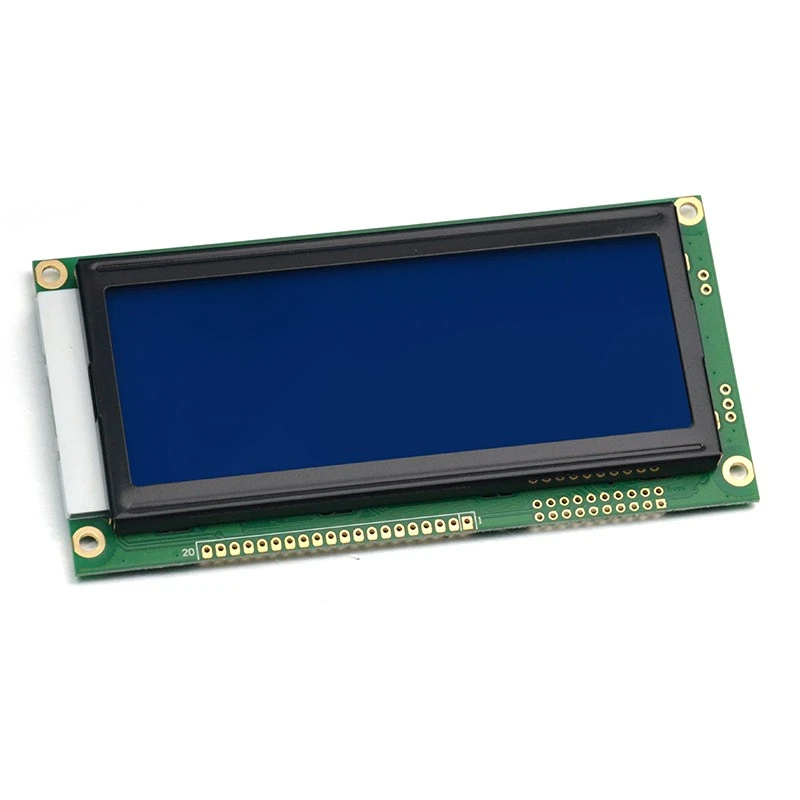

Our Graphic Displays and Contrast Ratio
At our company, we understand the importance of contrast ratio. That's why we offer a wide range of graphic displays with excellent contrast ratios.
Take our 192x64 LCD for example. It's designed to provide a sharp and clear image, with a high contrast ratio that makes text and graphics stand out. Whether you're using it for a small - scale project or a more complex application, you can count on it to deliver a great viewing experience.
Our 122x32 graphic lcd is another great option. It's perfect for applications where space is limited, but you still need a display with good contrast. You'll be able to see all the important information clearly, whether it's in a control panel or a small device.
And then there's our 12864B lcd. This display is known for its high - quality performance and excellent contrast ratio. It's suitable for a variety of applications, from industrial equipment to consumer electronics.
Factors That Can Affect Contrast Ratio
It's not just about the display itself. There are other factors that can impact the perceived contrast ratio.
Lighting Conditions
The lighting in the room where you're using the display can make a big difference. If you're in a brightly lit room, a display with a lower contrast ratio might look even worse. The bright ambient light can wash out the colors and make the blacks look more like grays.
On the other hand, in a dark room, a display with a high contrast ratio will really shine. You'll be able to see all the details and enjoy a more immersive viewing experience.
Viewing Angle
The angle from which you're looking at the display also matters. Some displays lose contrast as you move away from the center. This is especially true for older or lower - quality displays.
Our graphic displays are designed to have a wide viewing angle, so you can still enjoy a good contrast ratio even if you're not looking at the screen straight on. This is great for applications where multiple people need to view the display from different positions.
Making the Right Choice
When you're choosing a graphic display, contrast ratio should be one of your top considerations. But it's not the only factor. You also need to think about the resolution, size, and price.
If you're on a tight budget, you might have to make some compromises. But remember, a slightly higher investment in a display with a better contrast ratio can pay off in the long run, especially if you're using it for professional purposes.
Let's Talk Business
If you're in the market for a graphic display, we'd love to talk to you. We have a team of experts who can help you choose the right display for your needs. Whether you're a small business owner looking for a display for your point - of - sale system or a large corporation in need of multiple displays for your control rooms, we've got you covered.
Contact us today to start the conversation about your graphic display needs. We're here to provide you with the best products and service possible.
References
- "Display Technology: Principles and Applications" by John Doe
- "The Definitive Guide to Graphic Displays" by Jane Smith