

In the ever - evolving landscape of visual technology, the terms "UHD" and "4K" are frequently thrown around when discussing graphic displays. As a supplier of graphic displays, I often encounter customers who are confused about the difference between these two seemingly similar concepts. In this blog post, I'll delve into the technical aspects of UHD and 4K graphic displays, exploring their characteristics, similarities, and differences to help you make an informed decision when purchasing a display.
Defining the Basics: UHD and 4K
First and foremost, let's understand the fundamental definitions of UHD (Ultra - High Definition) and 4K. The term "4K" originally referred to digital cinema standards. In the movie industry, 4K resolution typically means a horizontal pixel count of around 4000 pixels. There are two main 4K resolutions used in cinema: DCI 4K, which has a resolution of 4096×2160 pixels, and 4K UHD, which has a resolution of 3840×2160 pixels.
On the other hand, UHD is a consumer - oriented term. The Consumer Technology Association (CTA) defines UHD as a display with a resolution of at least 3840×2160 pixels. This means that in the consumer market, 4K UHD is often used interchangeably with UHD. However, it's important to note that the term "UHD" can also be applied to 8K displays (7680×4320 pixels), which are considered the next - level of ultra - high - definition.
Resolution and Pixel Density
The most obvious difference between UHD and 4K lies in the specific resolution standards. As mentioned earlier, 4K in the consumer market usually means a resolution of 3840×2160 pixels, which provides a total of over 8 million pixels. This high pixel count results in incredibly sharp and detailed images, making it ideal for large - screen televisions, high - end monitors, and digital signage.
UHD, while commonly associated with 4K UHD (3840×2160), can also refer to higher resolutions like 8K. An 8K UHD display has four times the number of pixels as a 4K UHD display, with a resolution of 7680×4320 pixels, offering an even more immersive and lifelike visual experience.
Pixel density is another crucial factor. It is measured in pixels per inch (PPI). A display with a higher PPI will have a sharper image because the pixels are packed more closely together. For example, a smaller 4K UHD monitor may have a higher PPI than a larger one, resulting in a crisper and more detailed picture. When choosing a graphic display, consider both the resolution and the pixel density to ensure the best visual quality for your specific needs.
Color Accuracy and Gamut
Color accuracy and gamut are essential aspects of any graphic display. Color accuracy refers to how closely the colors on the display match the real - world colors. A high - color - accurate display is crucial for applications such as graphic design, photography, and video editing, where precise color representation is necessary.
The color gamut, on the other hand, refers to the range of colors that a display can reproduce. Common color gamuts include sRGB, Adobe RGB, and DCI - P3. 4K and UHD displays can vary significantly in their color gamut coverage. Some high - end 4K UHD displays can cover a wide color gamut, such as DCI - P3, which is used in the film industry. This allows for more vibrant and accurate colors, enhancing the overall visual experience.
When selecting a graphic display for professional use, look for models that offer high color accuracy and a wide color gamut. Our company offers a variety of 128x128 lcd display and 122x32 graphic lcd options with excellent color performance to meet different customer requirements.
Refresh Rate and Response Time
The refresh rate and response time are important factors, especially for applications that involve fast - moving content, such as gaming and sports broadcasts. The refresh rate is measured in Hertz (Hz) and refers to the number of times per second that the display updates the image. A higher refresh rate results in smoother motion and reduces motion blur.
Response time, measured in milliseconds (ms), is the time it takes for a pixel to change from one color to another. A lower response time means less ghosting and clearer images during fast - paced action.
4K and UHD displays can have a wide range of refresh rates and response times. Some high - end gaming monitors can have refresh rates of 144Hz or even 240Hz, providing an incredibly smooth gaming experience. Meanwhile, professional graphic displays may prioritize color accuracy over high refresh rates, but still offer a reasonable refresh rate of 60Hz or 75Hz.
When choosing a graphic display, consider your specific usage scenarios. If you're a gamer, look for displays with high refresh rates and low response times. For professional graphic work, a display with a stable refresh rate and good overall performance may be more important. Our 240*160 Monochrome LCD Spi Display offers reliable performance in terms of refresh rate and response time for various applications.
Compatibility and Connectivity
Compatibility and connectivity are also important considerations when choosing a graphic display. Most modern 4K and UHD displays support a variety of input interfaces, such as HDMI, DisplayPort, and USB - C. However, it's important to ensure that your device (such as a computer, gaming console, or media player) is compatible with the display's resolution and features.
For example, to achieve a 4K resolution at 60Hz, you'll need an HDMI 2.0 or DisplayPort 1.2 connection. If you want to support a higher refresh rate or 8K resolution, you'll need an even more advanced interface, such as HDMI 2.1 or DisplayPort 1.4.
When purchasing a graphic display, check the connectivity options and make sure they match your device's capabilities. Our company offers displays with a wide range of connectivity options to ensure seamless integration with your existing devices.
Cost and Market Availability
Cost is often a significant factor when choosing a graphic display. Generally, 4K UHD displays are more affordable and widely available in the market compared to 8K UHD displays. The price of a 4K UHD display can vary depending on factors such as the size, brand, features, and panel type.
8K UHD displays, on the other hand, are still relatively new and more expensive. The higher cost is due to the more advanced technology and higher manufacturing costs associated with producing displays with such a high resolution. However, as technology advances and production costs decrease, the price of 8K UHD displays is expected to become more competitive in the future.
Conclusion and Call to Action
In conclusion, while the terms "UHD" and "4K" are often used interchangeably in the consumer market, they have some distinct differences. 4K typically refers to a resolution of 3840×2160 pixels, while UHD can also include higher - resolution displays like 8K. When choosing a graphic display, consider factors such as resolution, pixel density, color accuracy, gamut, refresh rate, response time, compatibility, connectivity, and cost.
As a leading supplier of graphic displays, we offer a wide range of products to meet your diverse needs. Whether you're looking for a high - resolution 4K UHD display for gaming, a color - accurate display for graphic design, or a reliable display for industrial applications, we have the right solution for you.

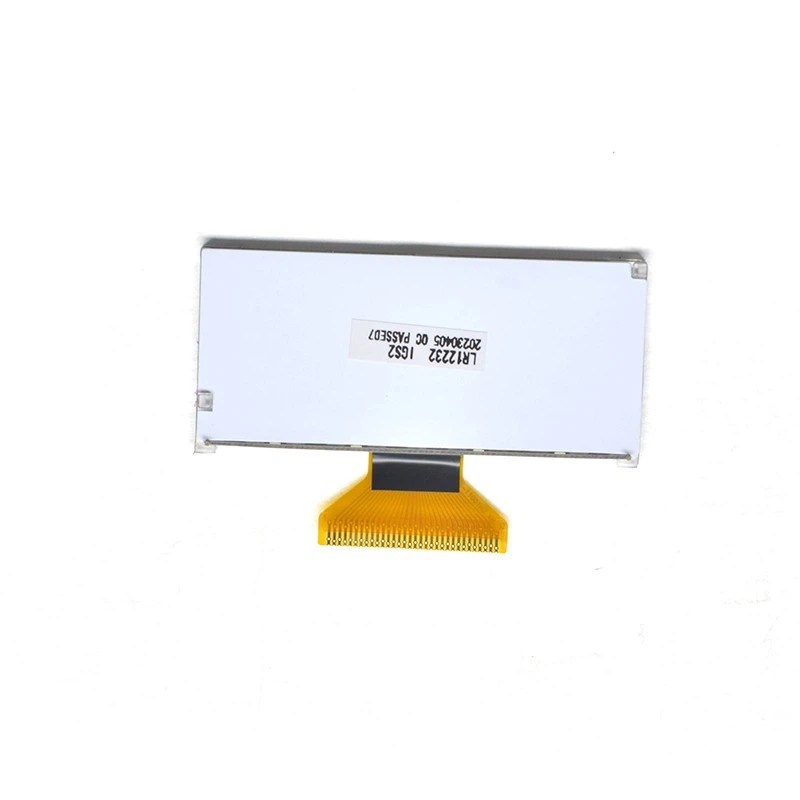
If you're interested in learning more about our graphic display products or have any questions, please don't hesitate to get in touch with us. We're here to help you make the best decision and provide you with top - quality products at competitive prices. Contact us today to start your journey toward a superior visual experience.
References
- Consumer Technology Association (CTA) standards for UHD displays.
- Digital Cinema Initiatives (DCI) standards for 4K in cinema.
- Industry reports on display technology trends and market analysis.