

Measuring the performance of LED backlights is a critical task for both manufacturers and end - users. As an LED backlight supplier, understanding how to accurately assess the performance of these products is essential for delivering high - quality solutions and meeting the diverse needs of the market. In this blog, we will explore the key parameters and methods for measuring the performance of LED backlights.
1. Luminance
Luminance is one of the most fundamental performance indicators of an LED backlight. It refers to the amount of light emitted per unit area in a specific direction and is typically measured in units of candela per square meter (cd/m²). A higher luminance value generally indicates a brighter backlight, which is crucial for applications where visibility is important, such as in displays used in bright environments.
To measure luminance, a luminance meter is commonly used. This device is placed at a specific distance and angle from the LED backlight surface to collect the light and calculate the luminance value. When measuring, it is important to ensure that the measurement environment is dark to avoid interference from external light sources. In addition, multiple measurement points across the backlight surface should be taken to obtain an accurate average luminance value, as the luminance may not be uniform across the entire backlight.
2. Colorimetry
Color is another vital aspect of LED backlight performance. Consumers often expect accurate and vivid color reproduction in displays, and the color performance of the backlight significantly impacts the overall visual experience.
Color Temperature
Color temperature is measured in Kelvin (K) and describes the “warmth” or “coolness” of the light. A lower color temperature (around 2700 - 3000K) produces a warm, yellow - orange light, similar to traditional incandescent bulbs. In contrast, a higher color temperature (5000K or above) results in a cool, bluish - white light. When measuring the color temperature of an LED backlight, a spectro - radiometer can be used. This instrument measures the spectral power distribution of the light emitted by the backlight, from which the color temperature can be calculated. For most display applications, a color temperature of around 6500K is considered ideal as it provides a neutral white light that closely resembles natural daylight.
Color Rendering Index (CRI)
The Color Rendering Index (CRI) is a scale from 0 to 100 that measures how accurately a light source can reproduce the colors of various objects compared to a reference light source. A CRI of 100 indicates perfect color rendering. An LED backlight with a high CRI is essential for applications such as photography displays, where accurate color representation is crucial. The CRI is determined by comparing the color appearance of a set of standard test colors illuminated by the LED backlight with their appearance under a reference light source of the same color temperature. Spectro - radiometers are also used to measure the spectral power distribution, which is then used to calculate the CRI.
3. Contrast Ratio
Contrast ratio is defined as the ratio between the luminance of the brightest white and the darkest black that an LED backlight can produce. A high contrast ratio is desirable as it enhances the visual experience by making the image more vibrant and detailed. In a display, it allows for deeper blacks and brighter whites, resulting in a more realistic and engaging picture.
To measure the contrast ratio, a specialized test pattern is displayed on the backlight. The luminance of the white areas and black areas of the test pattern is measured using a luminance meter. The contrast ratio is then calculated by dividing the luminance of the white areas by the luminance of the black areas. A backlight with a high - quality design and proper manufacturing process is more likely to achieve a high contrast ratio.
4. Uniformity
Uniformity refers to the consistency of luminance and color across the entire surface of the LED backlight. In a display, non - uniform backlighting can cause visible bright or dark spots, which can significantly degrade the visual quality.
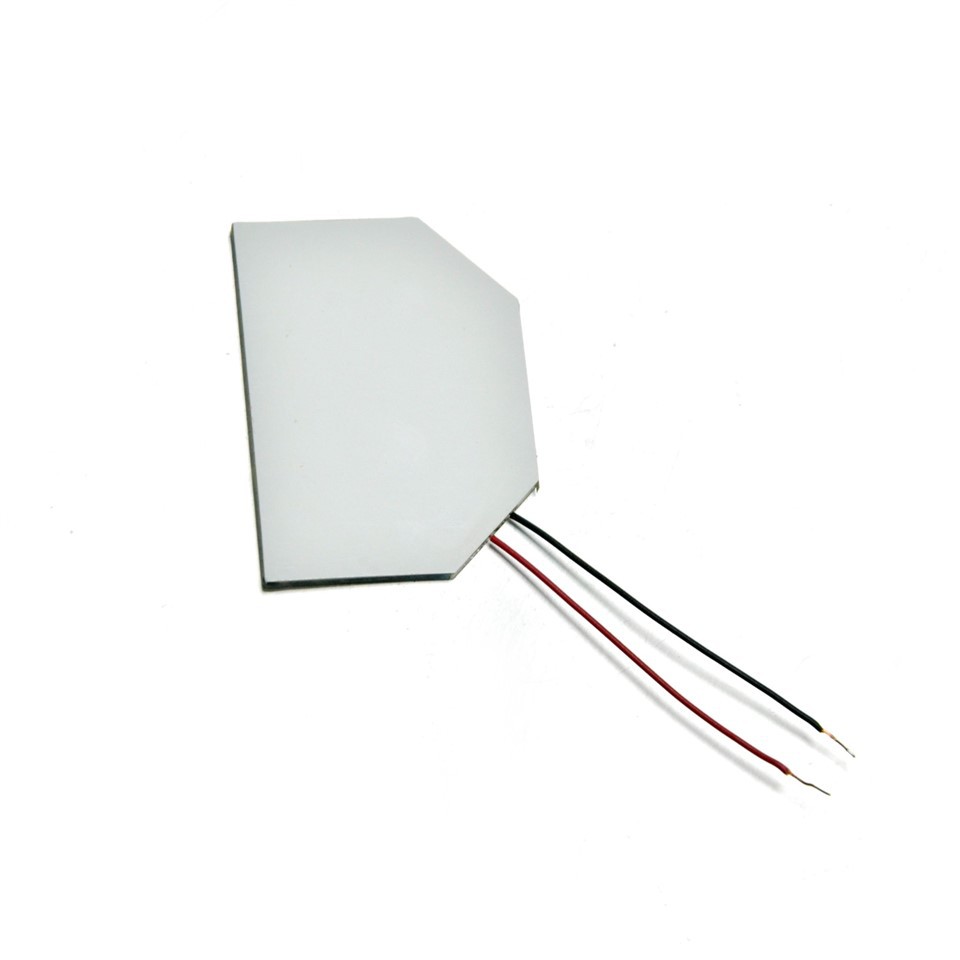
Luminance Uniformity
Luminance uniformity is usually expressed as a percentage. It is calculated by dividing the minimum luminance value across the backlight surface by the maximum luminance value. A higher percentage indicates better luminance uniformity. To measure luminance uniformity, a luminance meter is used to measure the luminance at multiple points on the backlight surface. For small - sized backlights, more measurement points are often required to ensure accurate results.
Color Uniformity
Color uniformity is more difficult to measure than luminance uniformity. It can be evaluated by measuring the color coordinates (such as CIE 1931 coordinates) at multiple points on the backlight surface. The differences in color coordinates between different points are then calculated. A lower difference means better color uniformity. Spectro - radiometers are commonly used for this measurement as they can accurately measure color coordinates.
5. Power Efficiency
Power efficiency is an important parameter for LED backlights, especially in today's energy - conscious world. It is typically measured in terms of luminous efficacy, which is defined as the ratio of the luminous flux (measured in lumens) emitted by the backlight to the power (measured in watts) consumed. A higher luminous efficacy means that the backlight can produce more light with less power consumption.
To measure power efficiency, a power meter is used to measure the electrical power consumed by the backlight, and a goniophotometer can be used to measure the luminous flux. By dividing the luminous flux by the power consumption, the luminous efficacy can be calculated. As an LED backlight supplier, we are constantly working on improving the power efficiency of our products to help our customers reduce energy costs and meet environmental regulations.
6. Lifespan
The lifespan of an LED backlight is an important consideration for both manufacturers and end - users. It is typically defined as the time it takes for the luminous flux of the backlight to decrease to a certain percentage (usually 70%) of its initial value.
The lifespan of an LED backlight can be estimated through accelerated life testing. In this test, the backlight is operated under high - stress conditions, such as higher temperature and current, to accelerate the aging process. By monitoring the change in luminous flux over time, the lifespan of the backlight under normal operating conditions can be predicted. As a supplier, we take great care in selecting high - quality LED chips and ensure proper design and manufacturing processes to maximize the lifespan of our backlights.
Links to Our Products
We offer a wide range of LED backlights to meet different customer needs. For multicolor applications, you can check out our Multicolor LED Backlight. If you are looking for backlights for LED signs, our LED Signs LED Backlight is a great option. And for those in need of LGP panel backlights, we recommend our LGP Panel LED Backlight.
Conclusion
Measuring the performance of LED backlights involves multiple aspects, including luminance, colorimetry, contrast ratio, uniformity, power efficiency, and lifespan. As an LED backlight supplier, we are committed to using the most advanced measurement techniques and equipment to ensure that our products meet the highest quality standards.
If you are interested in purchasing LED backlights for your project, we invite you to contact us for further discussions. Our team of experts will be happy to provide you with detailed product information and customized solutions to meet your specific requirements.
References
- “LED Lighting Handbook” by Fred Eder.
- “Illumination Engineering: Design with Light” by Roland S. Dippold.
- Technical documents from leading LED manufacturers and measurement equipment suppliers.