

As a seasoned LED backlight supplier, I've witnessed firsthand the pivotal role that diffusion plates play in shaping the light distribution of LED backlights. In this blog, I'll delve into the intricate relationship between diffusion plates and light distribution, exploring how these components work together to create optimal lighting solutions for a wide range of applications.

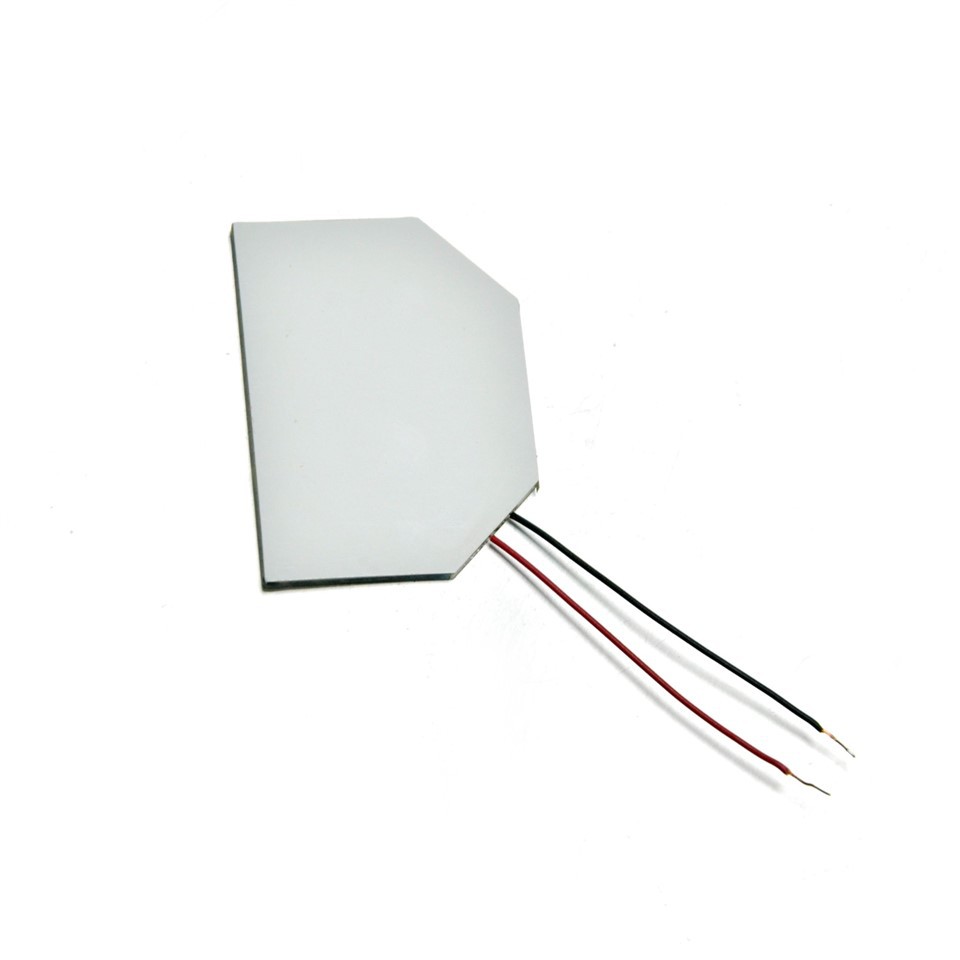
Understanding LED Backlight Fundamentals
LED backlights are widely used in various devices, including LCD monitors, televisions, automotive displays, and signage. They offer numerous advantages over traditional backlighting technologies, such as higher energy efficiency, longer lifespan, and better color accuracy. At the heart of an LED backlight system are the light-emitting diodes (LEDs) themselves, which emit light in a specific direction. However, to achieve uniform illumination across the entire display area, additional components are required to manipulate and distribute the light effectively.
The Role of Diffusion Plates
Diffusion plates, also known as diffusers, are essential components in LED backlight systems. Their primary function is to scatter and spread the light emitted by the LEDs, creating a more uniform and even distribution of light across the display surface. This helps to eliminate hotspots and dark areas, resulting in a more visually appealing and consistent image.
How Diffusion Plates Work
Diffusion plates are typically made of a transparent or semi-transparent material, such as acrylic or polycarbonate, that contains microscopic particles or structures designed to scatter light. When light passes through the diffusion plate, these particles or structures cause the light to change direction multiple times, effectively spreading it out in all directions. The degree of diffusion can be controlled by adjusting the size, shape, and density of the particles or structures within the plate.
Types of Diffusion Plates
There are several types of diffusion plates available, each with its own unique characteristics and applications. Some common types include:
- Matte Diffusers: These plates have a rough, matte surface that scatters light in a random manner, providing a high degree of diffusion. They are often used in applications where a soft, uniform light is desired, such as in backlit signage and displays.
- Microstructure Diffusers: These plates feature a series of microscopic structures, such as prisms or lenses, that are designed to control the direction and distribution of light. They can be used to create specific lighting effects, such as focusing light in a particular area or creating a wide-angle spread.
- Holographic Diffusers: These plates use holographic technology to create a highly precise and controlled diffusion pattern. They are often used in applications where a very uniform and accurate light distribution is required, such as in high-end LCD monitors and televisions.
Impact of Diffusion Plates on Light Distribution
The choice of diffusion plate can have a significant impact on the light distribution of an LED backlight system. Here are some key factors to consider:
- Uniformity: A good diffusion plate should provide a high degree of uniformity across the entire display surface, minimizing the appearance of hotspots and dark areas. This is particularly important in applications where a consistent image quality is required, such as in televisions and monitors.
- Brightness: The diffusion plate can also affect the overall brightness of the backlight system. A plate with a high degree of diffusion may scatter more light, resulting in a lower overall brightness. However, this can be compensated for by increasing the number or intensity of the LEDs.
- Color Temperature: The diffusion plate can also have an impact on the color temperature of the light. Some plates may absorb or reflect certain wavelengths of light, causing a shift in the color temperature. It's important to choose a diffusion plate that is compatible with the color temperature requirements of the application.
- Viewing Angle: The diffusion plate can affect the viewing angle of the backlight system. A plate with a wide-angle diffusion pattern will provide a more consistent image quality from different viewing angles, making it suitable for applications where the display will be viewed from multiple directions.
Applications of Diffusion Plates in LED Backlights
Diffusion plates are used in a wide range of LED backlight applications, including:
- LCD Monitors and Televisions: In these applications, the diffusion plate is used to create a uniform and even backlight, ensuring a high-quality image across the entire screen.
- Automotive Displays: Diffusion plates are used in automotive displays to provide a clear and visible image, even in bright sunlight. They help to reduce glare and improve the readability of the display.
- Signage and Displays: Diffusion plates are commonly used in backlit signage and displays to create a soft, uniform light that enhances the visibility and attractiveness of the message.
- General Lighting: Diffusion plates can also be used in general lighting applications, such as LED panel lights and downlights, to create a more comfortable and evenly distributed light.
Choosing the Right Diffusion Plate for Your Application
When choosing a diffusion plate for your LED backlight application, it's important to consider the specific requirements of the application, such as the desired level of uniformity, brightness, color temperature, and viewing angle. Here are some tips to help you make the right choice:
- Understand Your Application: Before selecting a diffusion plate, it's important to understand the specific requirements of your application. Consider factors such as the size and shape of the display, the viewing distance, and the ambient lighting conditions.
- Choose the Right Material: The material of the diffusion plate can have a significant impact on its performance. Acrylic and polycarbonate are two common materials used for diffusion plates, each with its own advantages and disadvantages. Acrylic is lightweight, easy to process, and has good optical properties, while polycarbonate is more durable and impact-resistant.
- Consider the Diffusion Pattern: The diffusion pattern of the plate can affect the light distribution and viewing angle of the backlight system. Choose a plate with a diffusion pattern that is suitable for your application.
- Test and Evaluate: It's always a good idea to test and evaluate different diffusion plates before making a final decision. This will allow you to compare the performance of different plates and choose the one that best meets your requirements.
Conclusion
Diffusion plates play a crucial role in the light distribution of LED backlight systems. By scattering and spreading the light emitted by the LEDs, they help to create a more uniform and even illumination across the display surface, improving the overall image quality and visual appeal. When choosing a diffusion plate for your application, it's important to consider factors such as uniformity, brightness, color temperature, and viewing angle. By selecting the right diffusion plate, you can ensure that your LED backlight system provides the optimal lighting solution for your specific needs.
If you're interested in learning more about our Multicolor LED Backlight, LED Signs LED Backlight, or LGP Panel LED Backlight products, or if you have any questions about diffusion plates or LED backlight systems, please don't hesitate to contact us. We're here to help you find the best lighting solution for your application.
References
- Smith, J. (2018). LED Backlighting Technology: Principles and Applications. John Wiley & Sons.
- Jones, A. (2019). Diffusion Plate Design for LED Backlights. Optics Express, 27(12), 16892-16903.
- Brown, C. (2020). Advances in LED Backlight Technology. Proceedings of the SPIE, 11375, 1137501-1137508.