

In the realm of graphic displays, one of the primary decisions users face is choosing between a matte and a glossy finish. As a seasoned supplier of graphic displays, I've witnessed firsthand the diverse needs and preferences of our customers. This blog post aims to delve into the key differences between matte and glossy graphic displays, helping you make an informed decision for your specific requirements.
Visual Appearance
The most obvious difference between matte and glossy graphic displays lies in their visual appearance. A glossy display is characterized by its high - reflectivity surface. When light hits a glossy screen, it bounces off in a specular manner, creating a mirror - like effect. This gives the display a vibrant and vivid look, with colors that appear more saturated and contrast that seems more pronounced. The images and videos on a glossy display seem to "pop" off the screen, providing an immersive visual experience.
On the other hand, a matte display has a non - reflective surface. It diffuses the incoming light, reducing the amount of glare. As a result, the colors on a matte display may seem less intense compared to a glossy one. However, the reduced glare makes it easier to view the screen from various angles and in brightly lit environments. The images on a matte display have a more natural and subdued look, which can be appealing for users who prefer a less flashy aesthetic.
Glare and Reflection
Glare is a significant factor to consider when choosing a graphic display. Glossy displays are more prone to glare because of their reflective surface. In a room with bright lights or direct sunlight, the glare on a glossy screen can be so severe that it becomes difficult to see the content. This can be a major drawback for applications such as outdoor signage or workspaces near windows.
Matte displays, on the other hand, are designed to minimize glare. The diffusive coating on the surface scatters the light, reducing the specular reflection. This makes matte displays ideal for environments with high ambient light, such as offices, classrooms, and outdoor kiosks. Even in direct sunlight, a matte display can maintain good visibility, although the colors may appear slightly washed out.
Viewing Angles
Viewing angles also differ between matte and glossy displays. Glossy displays typically have better viewing angles in terms of color accuracy and contrast. When viewed from the front, the colors and contrast on a glossy screen are at their best. However, as you move to the side, the colors may shift, and the contrast may decrease. This is because the specular reflection on the glossy surface changes with the viewing angle.
Matte displays offer more consistent viewing angles. The diffusive nature of the matte surface ensures that the light is scattered evenly, so the colors and contrast remain relatively stable when viewed from different angles. This makes matte displays a better choice for applications where multiple people need to view the screen simultaneously, such as in conference rooms or public display areas.
Fingerprints and Smudges
Fingerprints and smudges are another aspect to consider. Glossy displays are more likely to show fingerprints and smudges because of their smooth and reflective surface. The oil from your fingers can leave visible marks on the screen, which not only looks unappealing but can also affect the visibility of the content. Cleaning a glossy display can be a hassle, as you need to use a special cleaning solution and a soft cloth to avoid scratching the surface.

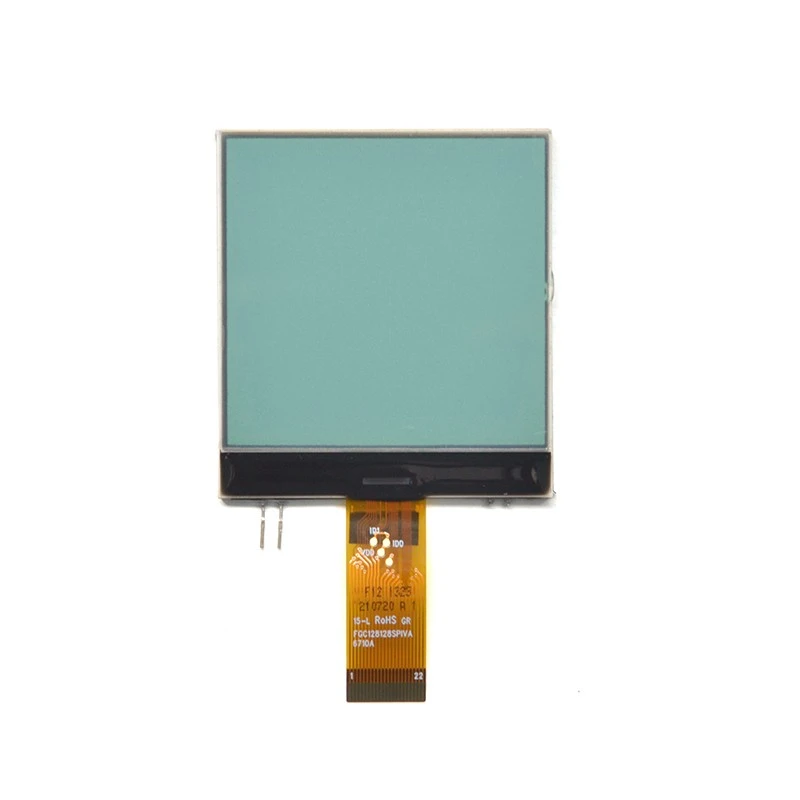
Matte displays are more resistant to fingerprints and smudges. The diffusive coating on the surface makes it harder for the fingerprints to adhere. Even if there are smudges on a matte display, they are less noticeable compared to a glossy one. Cleaning a matte display is also easier, as a simple wipe with a dry cloth can often remove the dirt and smudges.
Applications
The choice between a matte and a glossy display often depends on the intended application. For applications that require high - end visual performance, such as gaming, multimedia, and graphic design, a glossy display may be the better option. The vibrant colors and high contrast of a glossy screen can enhance the visual experience, making the games more immersive and the graphics more vivid. For example, if you are using a 128x128 lcd display for a gaming console, a glossy finish can bring out the details and colors of the game.
On the other hand, matte displays are more suitable for applications where glare and visibility are a concern. In offices, classrooms, and libraries, matte displays are preferred because they can be easily viewed in different lighting conditions. They are also a good choice for outdoor applications, such as digital billboards and information kiosks. For instance, a 128x32 lcd display used in an outdoor kiosk would benefit from a matte finish to ensure clear visibility in bright sunlight.
In the field of professional photography and video editing, the choice between matte and glossy displays can be more nuanced. Some photographers prefer the accurate color representation of a matte display, while others like the vibrant colors of a glossy one. It ultimately depends on personal preference and the specific requirements of the project.
Durability
In terms of durability, both matte and glossy displays have their pros and cons. Glossy displays have a smooth surface that is generally more resistant to scratches. However, the reflective coating can be damaged over time, especially if the screen is cleaned with abrasive materials. Once the reflective coating is damaged, the display may lose its visual appeal and become more prone to glare.
Matte displays have a diffusive coating that can be more delicate. The coating can be scratched or worn off if the screen is not handled carefully. However, modern matte displays are designed to be more durable, and many come with a protective layer to prevent damage.
Cost
Cost is often a deciding factor for many customers. Generally, glossy displays are more affordable than matte displays. The manufacturing process for glossy displays is simpler, and the materials used are less expensive. This makes them a popular choice for budget - conscious consumers.
Matte displays, on the other hand, are usually more expensive. The diffusive coating on the surface adds to the manufacturing cost. However, the benefits of reduced glare and better viewing angles may justify the higher price for some applications.
Our Offerings
As a leading supplier of graphic displays, we offer a wide range of both matte and glossy displays to meet the diverse needs of our customers. Our 12864B lcd is available in both finishes, allowing you to choose the one that best suits your requirements. Whether you need a display for a high - end gaming setup or a reliable outdoor signage solution, we have the right product for you.
Conclusion
In conclusion, the choice between a matte and a glossy graphic display depends on several factors, including visual appearance, glare, viewing angles, fingerprints, applications, durability, and cost. Glossy displays offer vibrant colors and high contrast but are more prone to glare and fingerprints. Matte displays, on the other hand, are better at reducing glare and offer more consistent viewing angles, making them suitable for brightly lit environments.
If you are still unsure which type of display is right for your project, our team of experts is here to help. We can provide you with detailed information and guidance to ensure that you make the best decision. Contact us today to start a conversation about your graphic display needs, and let's work together to find the perfect solution for you.
References
- "Display Technology Handbook" by John P. Firth
- "Fundamentals of Flat Panel Displays" by Fumio Kishino