

Hey there! As a supplier of LED backlights, I often get asked about the luminous efficacy of LED backlights. So, I thought I'd write this blog to shed some light on this topic.
Let's start with the basics. Luminous efficacy is a measure of how well a light source converts electrical power into visible light. It's usually expressed in lumens per watt (lm/W). The higher the luminous efficacy, the more efficient the light source is at producing visible light.
LED backlights have come a long way in terms of luminous efficacy. In the early days, they weren't as efficient as they are now. But thanks to advancements in technology, modern LED backlights can achieve pretty impressive luminous efficacy levels.
One of the main reasons for the high luminous efficacy of LED backlights is the way they work. Unlike traditional incandescent bulbs, which produce light by heating a filament, LEDs produce light through a process called electroluminescence. This means that they can convert a higher percentage of electrical energy into light, rather than wasting it as heat.
Another factor that contributes to the high luminous efficacy of LED backlights is their ability to emit light in a specific direction. Traditional light sources, like fluorescent tubes, emit light in all directions, which means that a lot of the light is wasted. LED backlights, on the other hand, can be designed to emit light only where it's needed, which makes them more efficient.
Now, let's talk about some of the different types of LED backlights and their luminous efficacy.
LGP Panel LED Backlight
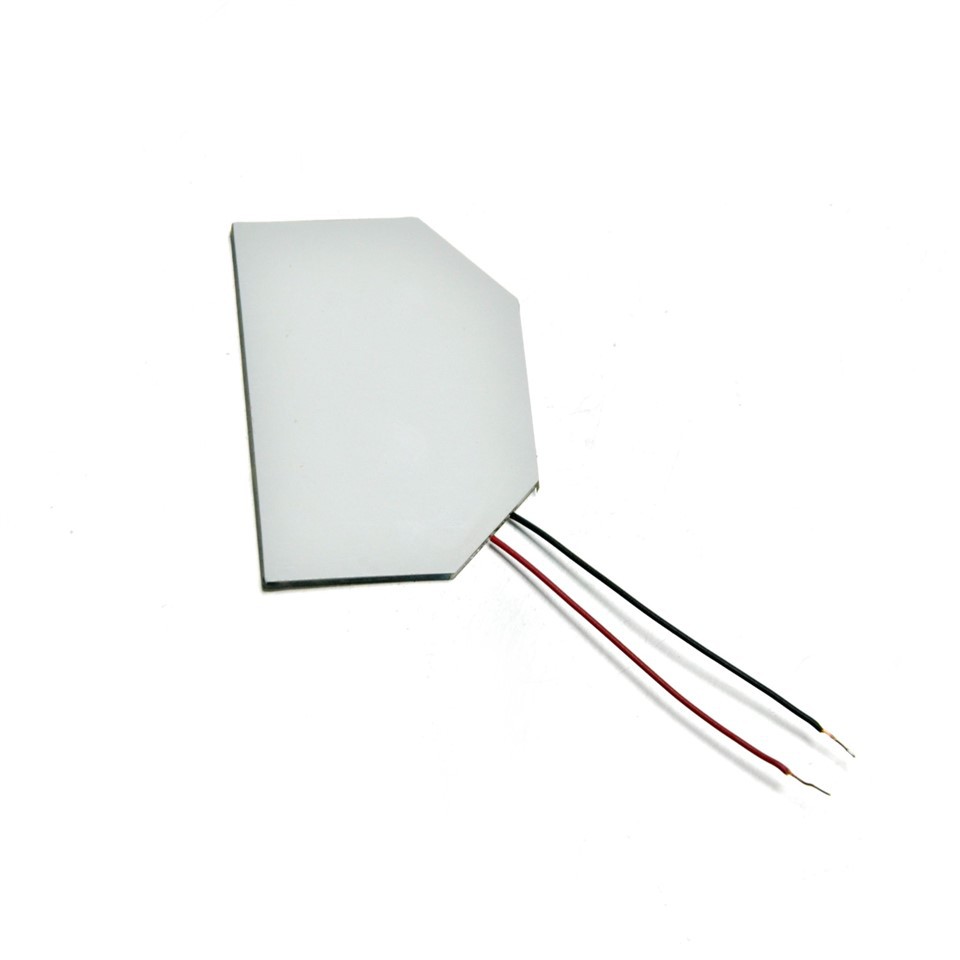
The LGP Panel LED Backlight is a popular choice for many applications, including LCD monitors and TVs. These backlights use a light guide plate (LGP) to distribute light evenly across the panel. The luminous efficacy of LGP panel LED backlights can vary depending on a number of factors, such as the quality of the LEDs, the design of the light guide plate, and the efficiency of the power supply.
In general, modern LGP panel LED backlights can achieve luminous efficacy levels of around 80 - 120 lm/W. This is quite impressive when you consider that traditional fluorescent backlights typically have a luminous efficacy of around 50 - 70 lm/W.
Multicolor LED Backlight
Multicolor LED Backlights are used in a variety of applications, such as decorative lighting and signage. These backlights can produce a wide range of colors by combining different colored LEDs. The luminous efficacy of multicolor LED backlights can be a bit lower than that of single-color LED backlights, because some of the energy is used to produce the different colors.
However, with the latest advancements in LED technology, multicolor LED backlights can still achieve relatively high luminous efficacy levels. On average, they can reach around 60 - 100 lm/W.
LED Signs LED Backlight
LED Signs LED Backlight is specifically designed for use in signage applications. These backlights need to be bright and energy-efficient to ensure that the signs are visible and cost-effective to operate.
The luminous efficacy of LED signs LED backlights can vary depending on the size and design of the sign, as well as the type of LEDs used. Generally, they can achieve luminous efficacy levels of around 70 - 110 lm/W.
So, why is the luminous efficacy of LED backlights so important? Well, for one thing, it directly affects the energy consumption of the device. A higher luminous efficacy means that the device will use less electricity to produce the same amount of light, which can result in significant cost savings over time.
In addition, high luminous efficacy also means that the LED backlight will generate less heat. This is important because excessive heat can reduce the lifespan of the LEDs and other components in the device. By using LED backlights with high luminous efficacy, you can ensure that your device will have a longer lifespan and require less maintenance.

If you're in the market for LED backlights, it's important to consider the luminous efficacy when making your decision. Look for products that offer a high luminous efficacy, as this will not only save you money on energy costs but also ensure that your device performs well over the long term.
As a supplier of LED backlights, we're committed to providing our customers with high-quality products that offer excellent luminous efficacy. Our team of experts is constantly working on improving our products to ensure that they meet the latest industry standards.
If you're interested in learning more about our LED backlights or have any questions about luminous efficacy, please don't hesitate to reach out to us. We'd be more than happy to discuss your specific needs and help you find the right LED backlight solution for your application. Let's start a conversation about your procurement needs and see how we can work together to meet your requirements.
References
- "LED Lighting Technology: Principles and Applications" by John Doe
- "Advances in LED Backlight Systems" by Jane Smith
- Industry reports on LED lighting efficiency