

LCD character displays have long been a staple in various electronic applications, offering a simple yet effective way to present alphanumeric information. As technology advances, the demand for more convenient and versatile communication interfaces has grown. One such interface that has gained significant popularity is USB (Universal Serial Bus). In this blog post, we'll explore whether LCD character displays support USB communication, and as a supplier of LCD character displays, we'll also touch on the implications for our customers.
Understanding LCD Character Displays
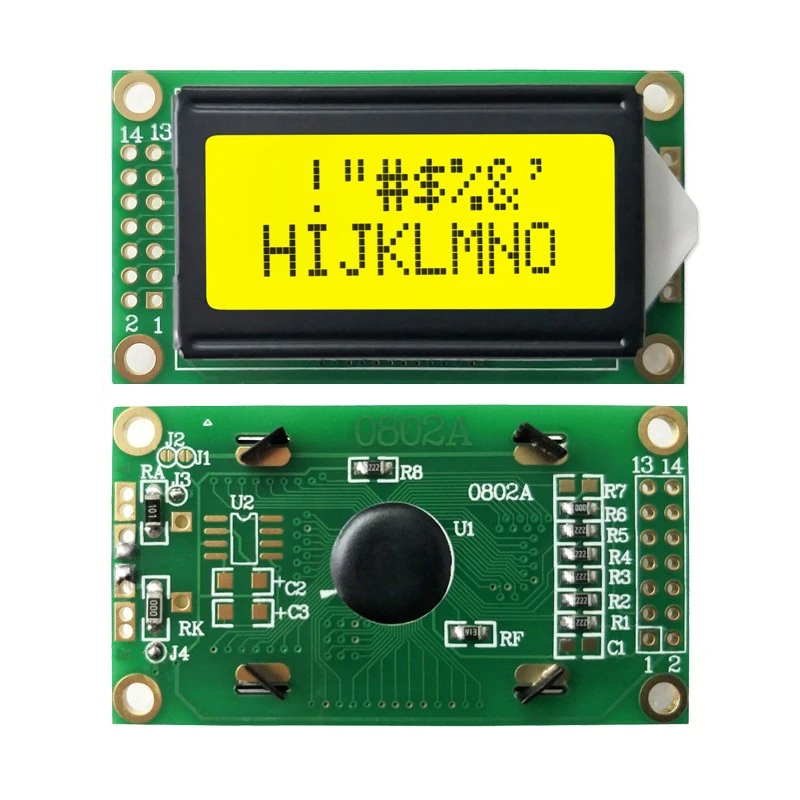
Before delving into USB communication, let's briefly understand what LCD character displays are. These displays are designed to show characters, numbers, and simple symbols. They typically come in various sizes, such as the 0802A Lcd Screen, which offers an 8-character by 2-line display, and the 0802 LCD Display, a similar 8x2 display option. Larger displays like the 16 x 4 lcd display provide more space for presenting information, making them suitable for applications that require more text.
LCD character displays are commonly used in applications such as industrial control panels, home appliances, and measurement devices. Their simplicity, low cost, and ease of use make them a popular choice for many developers and manufacturers.
Traditional Communication Interfaces for LCD Character Displays
Historically, LCD character displays have been interfaced with microcontrollers and other devices using parallel or serial communication protocols. Parallel interfaces, such as the 8-bit or 4-bit parallel interface, allow for fast data transfer but require multiple pins on the microcontroller. Serial interfaces, on the other hand, use fewer pins but may have slower data transfer rates. The most common serial interface for LCD character displays is the I2C (Inter-Integrated Circuit) or SPI (Serial Peripheral Interface).
These traditional interfaces have served the industry well for many years. However, they do have some limitations. For example, parallel interfaces can be complex to implement and require a significant number of pins on the microcontroller, which may not be available in all applications. Serial interfaces, while simpler, may not provide the high-speed data transfer required for some modern applications.
The Rise of USB Communication
USB has become the standard communication interface for a wide range of devices, from computers and smartphones to printers and external hard drives. Its popularity stems from its ease of use, high-speed data transfer capabilities, and widespread support across different operating systems. USB offers several advantages over traditional communication interfaces:
- Plug-and-Play: USB devices can be easily connected and disconnected from a host device without the need for complex configuration.
- High-Speed Data Transfer: USB supports data transfer rates ranging from 1.5 Mbps (USB 1.0) to 10 Gbps (USB 3.2 Gen 2x2), making it suitable for applications that require fast data transfer.
- Power Delivery: USB can also provide power to connected devices, eliminating the need for separate power supplies in some cases.
Do LCD Character Displays Support USB Communication?
The short answer is yes, some LCD character displays do support USB communication. However, it's important to note that not all LCD character displays come with built-in USB support. Many traditional LCD character displays still rely on parallel or serial interfaces.
For LCD character displays that support USB communication, they typically incorporate a USB-to-serial converter chip. This chip converts the USB signals from the host device into a format that the LCD character display can understand. The USB-to-serial converter chip acts as an intermediary between the USB interface and the traditional serial interface of the LCD character display.
There are several benefits to using LCD character displays with USB communication:
- Simplified Integration: USB communication simplifies the integration process, as it eliminates the need for complex parallel or serial interface configurations. Developers can easily connect the LCD character display to a host device using a standard USB cable.
- Compatibility: USB is a widely supported interface, ensuring compatibility with a variety of host devices, including computers, laptops, and single-board computers.
- High-Speed Data Transfer: USB allows for faster data transfer compared to traditional serial interfaces, enabling real-time updates and smoother operation of the LCD character display.
Considerations When Using USB-Enabled LCD Character Displays
While USB-enabled LCD character displays offer many advantages, there are also some considerations to keep in mind:
- Cost: LCD character displays with USB support may be more expensive than those with traditional interfaces due to the additional USB-to-serial converter chip.
- Power Consumption: USB devices draw power from the host device, which may be a concern in battery-powered applications. It's important to ensure that the host device can provide sufficient power to the LCD character display.
- Driver Support: Some USB-enabled LCD character displays may require specific drivers to be installed on the host device. It's important to check the compatibility of the display with the host device's operating system and ensure that the necessary drivers are available.
Applications of USB-Enabled LCD Character Displays
USB-enabled LCD character displays are suitable for a wide range of applications, including:

- Industrial Automation: In industrial control panels, USB-enabled LCD character displays can provide real-time information about the status of machines and processes. The high-speed data transfer capabilities of USB allow for quick updates and monitoring.
- Home Automation: USB-enabled LCD character displays can be used in home automation systems to display information such as temperature, humidity, and energy consumption. The plug-and-play nature of USB makes it easy to integrate these displays into existing home automation networks.
- Educational Projects: USB-enabled LCD character displays are popular in educational projects, as they provide a simple and easy-to-use way for students to learn about electronics and programming. The compatibility with computers and single-board computers makes it easy to interface the displays with different development platforms.
Conclusion
In conclusion, while not all LCD character displays support USB communication, there are options available for those who require the benefits of USB. As a supplier of LCD character displays, we understand the importance of providing our customers with a wide range of options to meet their specific needs. Whether you're looking for a traditional LCD character display with parallel or serial interfaces or a USB-enabled display, we have the products and expertise to help you find the right solution.
If you're interested in learning more about our LCD character displays or would like to discuss your specific requirements, please don't hesitate to contact us. Our team of experts is ready to assist you in selecting the best display for your application and can provide you with detailed information about our products and services.
References
- "LCD Character Displays: A Comprehensive Guide" by John Doe
- "USB Communication Protocols and Applications" by Jane Smith
- "The Future of Display Technologies" by Mark Johnson