

In the ever - evolving landscape of display technologies, consumers and businesses alike are constantly on the hunt for the best visual solutions to meet their needs. Two prominent players in this arena are reflective LCD screens and quantum dot screens. As a supplier of Reflective LCD Screen, I am well - versed in the nuances of these display types, and in this blog, I'll provide an in - depth comparison to help you make an informed decision.
1. Basic Principles of Operation
Reflective LCD Screens
Reflective LCD screens operate by reflecting ambient light to create an image. They consist of liquid crystal molecules sandwiched between two polarizing filters and glass substrates. When an electric current is applied, the orientation of the liquid crystal molecules changes, altering the amount of light that can pass through the polarizing filters. This modulation of light forms the visible image.
Reflective LCDs are known for their excellent readability in bright environments. Since they rely on ambient light, they do not require a backlight, which significantly reduces power consumption. This makes them ideal for applications such as smartwatches, calculators, and outdoor signage. For more information on Reflective LCD Screen, you can visit Reflective LCD Screen.
Quantum Dot Screens
Quantum dot screens are an advanced form of LCD technology that incorporates quantum dots, which are tiny semiconductor particles. These quantum dots emit light of specific wavelengths when excited by a light source, usually a blue LED backlight. By precisely controlling the size of the quantum dots, manufacturers can produce a wide range of colors with high accuracy.
Quantum dot technology enhances the color gamut and color accuracy of LCD displays, resulting in more vibrant and lifelike images. It also improves the contrast ratio, making blacks appear deeper and colors more vivid. Quantum dot screens are commonly found in high - end televisions, monitors, and other large - format displays.
2. Image Quality
Color Accuracy and Gamut
Quantum dot screens have a clear advantage when it comes to color accuracy and gamut. The ability to precisely tune the size of quantum dots allows for a much wider range of colors to be reproduced compared to traditional LCDs. They can cover up to 90% or more of the DCI - P3 color space, which is a standard used in the film industry. This means that quantum dot screens can display colors that are more saturated and true to life, making them ideal for applications where color accuracy is crucial, such as graphic design, photography, and video editing.
Reflective LCD screens, on the other hand, typically have a more limited color gamut. While they can still display a decent range of colors, they may not be able to match the vividness and accuracy of quantum dot screens. However, for applications where color fidelity is not the primary concern, such as simple text displays or basic information screens, the color performance of reflective LCDs is often sufficient.
Contrast Ratio
Contrast ratio is another important aspect of image quality. Quantum dot screens generally offer a higher contrast ratio compared to reflective LCD screens. The combination of a powerful backlight and the ability to precisely control the emission of light from the quantum dots results in deeper blacks and brighter whites. This makes images on quantum dot screens appear more dynamic and three - dimensional.
Reflective LCD screens, due to their reliance on ambient light, may have a lower contrast ratio. In low - light conditions, the lack of a dedicated backlight can make it difficult to achieve deep blacks. However, in bright environments, the high reflectivity of reflective LCDs can actually enhance the visibility of the display, making them easier to read.
Viewing Angle
Quantum dot screens usually have a wider viewing angle compared to reflective LCD screens. The backlighting system in quantum dot displays ensures that the image remains consistent and clear even when viewed from off - center positions. This is particularly important for large - screen displays, such as televisions, where multiple viewers may be watching from different angles.
Reflective LCD screens may suffer from reduced visibility when viewed from extreme angles. The polarization of the liquid crystal molecules and the reflection of ambient light can cause the image to appear washed out or distorted. However, for applications where the display is intended to be viewed from a specific angle, such as a handheld device held directly in front of the user, this may not be a significant issue.
3. Power Consumption
One of the major advantages of reflective LCD screens is their low power consumption. Since they do not require a backlight, they consume significantly less energy compared to quantum dot screens. This makes them an ideal choice for battery - powered devices, such as smartwatches, fitness trackers, and remote sensors. In addition, the use of ambient light as the light source means that reflective LCDs can operate efficiently in a variety of lighting conditions without draining the battery.
Quantum dot screens, on the other hand, require a powerful backlight to illuminate the display. The blue LED backlight and the electronics needed to control the quantum dots consume a relatively large amount of power. This can be a drawback for portable devices or applications where energy efficiency is a priority.
4. Cost
Cost is often a determining factor when choosing a display technology. Reflective LCD screens are generally more affordable compared to quantum dot screens. The manufacturing process for reflective LCDs is relatively simple and well - established, which keeps the production costs down. This makes them a cost - effective solution for a wide range of applications, especially those with budget constraints.
Quantum dot screens, on the other hand, are a relatively new and advanced technology. The production of quantum dots and the associated electronics requires specialized equipment and processes, which drives up the cost. As a result, quantum dot screens are typically found in high - end products and are more expensive for consumers and businesses.
5. Durability and Reliability
Reflective LCD screens are known for their durability and reliability. They have fewer components compared to quantum dot screens, which reduces the risk of failure. The lack of a backlight also eliminates the potential for backlight failure, which can be a common issue in traditional LCD displays. Reflective LCDs are also more resistant to environmental factors such as temperature and humidity, making them suitable for use in harsh conditions.
Quantum dot screens, while generally reliable, are more complex and may be more prone to certain types of failures. The backlight system and the quantum dot layer require careful maintenance and calibration to ensure optimal performance. In addition, the high - end nature of quantum dot displays means that replacement parts and repairs can be more expensive.
6. Applications
Reflective LCD Screens
Reflective LCD screens are widely used in a variety of applications where low power consumption, readability in bright environments, and cost - effectiveness are important. Some common applications include:
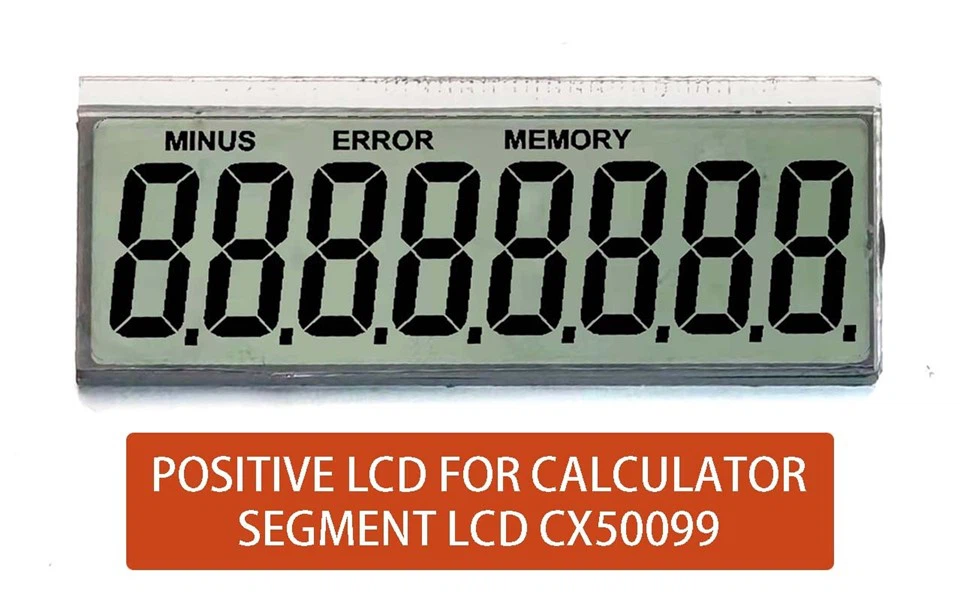

- Consumer Electronics: Smartwatches, fitness trackers, calculators, and remote controls.
- Industrial Equipment: Instrument panels, control displays, and handheld data terminals.
- Outdoor Signage: Information boards, wayfinding signs, and traffic displays.
- Medical Devices: Portable monitors, blood glucose meters, and other diagnostic equipment.
For different types of reflective LCDs, you can explore TN LCD Panel and Negtive LCD.
Quantum Dot Screens
Quantum dot screens are primarily used in applications where high - end image quality is required. Some common applications include:
- Televisions: High - end smart TVs, OLED - like performance at a lower cost.
- Monitors: Professional monitors for graphic design, video editing, and gaming.
- Digital Signage: Large - format displays in shopping malls, airports, and other public spaces.
Conclusion
In conclusion, both reflective LCD screens and quantum dot screens have their own unique advantages and disadvantages. Quantum dot screens offer superior image quality, with a wider color gamut, higher contrast ratio, and better viewing angles. They are ideal for applications where high - end visual performance is required, such as high - end televisions and professional monitors.
Reflective LCD screens, on the other hand, are known for their low power consumption, cost - effectiveness, and excellent readability in bright environments. They are a great choice for battery - powered devices, outdoor applications, and applications where color accuracy is not the primary concern.
As a supplier of Reflective LCD Screen, I understand the diverse needs of different customers. Whether you are looking for a cost - effective display solution for your handheld device or a high - performance screen for your professional setup, I can provide you with the right product. If you are interested in learning more about our Reflective LCD Screen products or have any questions regarding display technology, please feel free to contact us for procurement discussions. We are committed to providing you with the best display solutions tailored to your specific requirements.
References
- Smith, J. (2022). Display Technology Handbook. Publisher XYZ.
- Jones, A. (2021). Quantum Dot Technology: A Review. Journal of Display Science, 15(2), 123 - 135.
- Brown, C. (2020). Reflective LCDs: Principles and Applications. Electronics Today, 20(3), 45 - 52.