

Hey there! As a supplier of LGP Panel LED Backlight, I've got a bunch of insights to share about adjusting the brightness of these backlights. It's a topic that comes up a lot, and I'm here to break it down for you in a simple and easy - to - understand way.
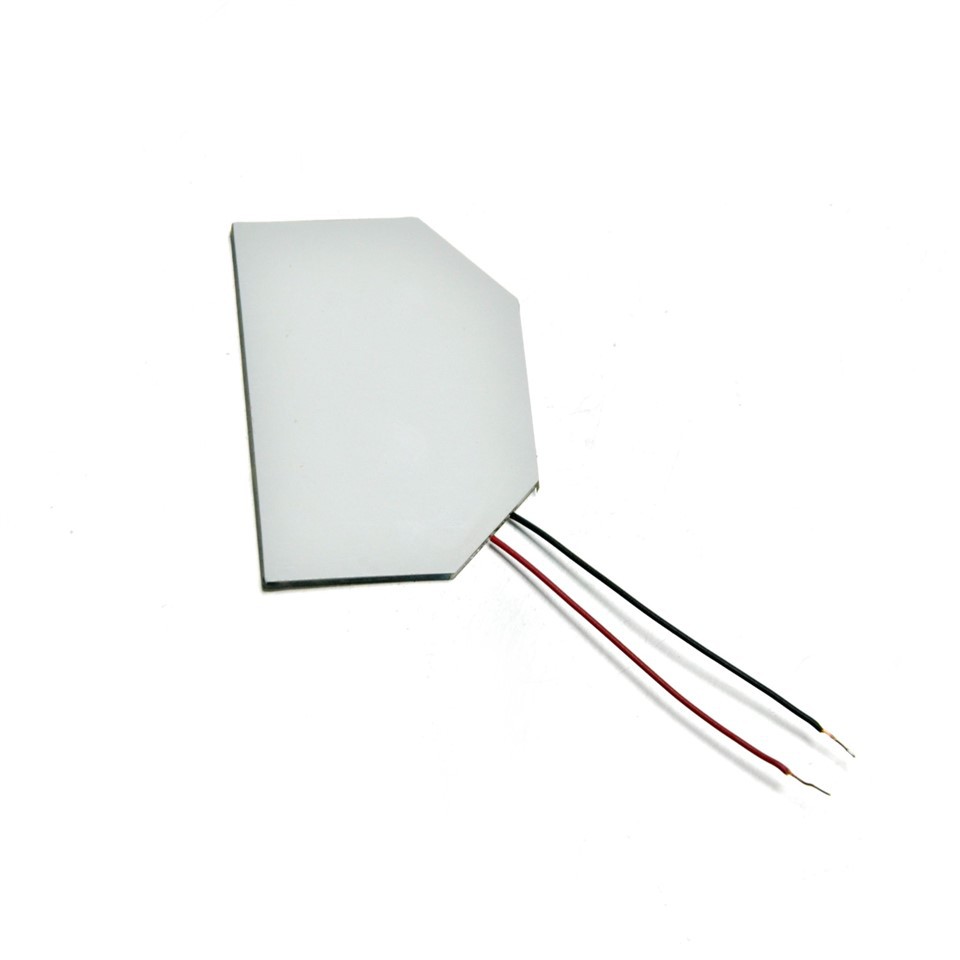

First off, let's talk about why adjusting the brightness of LGP Panel LED Backlight is so important. Different applications require different levels of brightness. For instance, if you're using it for a display in a well - lit store, you'll need a higher brightness to make sure the content is visible. On the other hand, if it's for a home - use device like a small digital photo frame, a lower brightness might be more comfortable for the eyes.
Manual Adjustment Methods
One of the most straightforward ways to adjust the brightness of LGP Panel LED Backlight is through manual controls. Many of our products come with a built - in brightness adjustment button or a knob. It's as simple as turning the knob or pressing the button to increase or decrease the brightness. This method is great for quick and easy adjustments when you're right in front of the device.
Some LGP Panel LED Backlights also have a remote control. With the remote, you can adjust the brightness from a distance. It's super convenient, especially if you're using the backlight in a large room or for a big display. You don't have to get up and walk all the way to the device every time you want to change the brightness.
Digital Adjustment
In addition to manual controls, digital adjustment is becoming more and more popular. Most of our modern LGP Panel LED Backlights support digital interfaces such as USB or HDMI. You can connect the backlight to a computer or a control system and use software to adjust the brightness.
The software gives you more precise control over the brightness. You can set it to a specific value, and you can even create brightness profiles for different scenarios. For example, you can have a "daytime" profile with high brightness and a "nighttime" profile with low brightness. Then, you just need to switch between the profiles according to the time of day.
Pulse Width Modulation (PWM)
Pulse Width Modulation, or PWM for short, is a common technique used to adjust the brightness of LEDs, including those in LGP Panel LED Backlights. PWM works by rapidly turning the LEDs on and off. By changing the ratio of the on - time to the off - time (also known as the duty cycle), you can effectively control the average brightness of the LEDs.
When the duty cycle is high, the LEDs are on for a longer time, and the brightness is high. When the duty cycle is low, the LEDs are on for a shorter time, and the brightness is low. This method is very efficient because it doesn't waste power by reducing the voltage or current to the LEDs.
However, some people might notice a flicker when using PWM - controlled LEDs, especially at low brightness levels. To address this issue, we've developed advanced PWM algorithms that minimize the flicker and provide a smooth brightness adjustment experience.
Constant Current Control
Another method for adjusting the brightness of LGP Panel LED Backlight is constant current control. In this method, the current flowing through the LEDs is adjusted to change the brightness. LEDs are current - driven devices, which means that their brightness is directly proportional to the current flowing through them.
By increasing or decreasing the current, you can increase or decrease the brightness of the LEDs. Constant current control provides a very stable brightness output, and it doesn't cause flicker like PWM can. However, it requires more complex circuitry to implement, which can increase the cost of the backlight.
Applications and Brightness Requirements
Now, let's take a look at some common applications of LGP Panel LED Backlights and their specific brightness requirements.
LCD Displays
LCD displays are one of the most common applications for LGP Panel LED Backlights. For consumer electronics like laptops and tablets, the brightness usually ranges from 250 to 500 nits. For monitors used in offices or home offices, a brightness of around 300 to 400 nits is sufficient. However, for outdoor displays or displays in very bright environments, the brightness can go up to 1000 nits or more.
Signage
LED signs are another popular application. LED Signs LED Backlight need to be visible from a distance and in different lighting conditions. For indoor signs, a brightness of 500 to 1000 nits is usually enough. For outdoor signs, especially those in direct sunlight, the brightness can reach 2000 nits or higher.
Decorative Lighting
In decorative lighting applications, the brightness requirements are more flexible. You can use Multicolor LED Backlight to create different lighting effects. For a soft and cozy atmosphere, you might want to set the brightness to a low level. For a more vibrant and eye - catching effect, you can increase the brightness.
Choosing the Right Brightness Adjustment Method
When choosing a brightness adjustment method for your LGP Panel LED Backlight, you need to consider several factors.
If you need a simple and cost - effective solution, manual controls or basic PWM might be the best choice. They are easy to use and don't require any additional software or complex circuitry.
If you need precise control and the ability to create custom brightness profiles, digital adjustment using software is a great option. It gives you more flexibility and allows you to fine - tune the brightness according to your specific needs.
If flicker is a concern, especially in applications where people will be looking at the backlight for a long time, constant current control might be the way to go. It provides a stable and flicker - free brightness output.
Conclusion
Adjusting the brightness of LGP Panel LED Backlight is an important aspect of using these products effectively. Whether you're using them for LCD displays, signage, or decorative lighting, there are various methods available to meet your specific brightness requirements.
As a supplier of LGP Panel LED Backlight, we're committed to providing high - quality products with reliable brightness adjustment features. If you have any questions or need more information about our products, or if you're interested in purchasing our LGP Panel LED Backlights, feel free to reach out to us. We're here to help you find the perfect solution for your needs. Let's start a conversation about your project and see how we can work together to make it a success!
References
- "LED Lighting Handbook" - A comprehensive guide to LED technology and applications.
- "Illumination Engineering Society (IES) Lighting Handbook" - Provides industry standards and best practices for lighting design and brightness requirements.