

Hey there! As a supplier of LCD character displays, I often get asked if these displays can be used in kiosks. Well, the short answer is yes! But let's dive deeper into this topic and explore why LCD character displays are a great choice for kiosks.
First off, let's talk about what LCD character displays are. These are simple displays that can show alphanumeric characters, like letters, numbers, and some basic symbols. They're not as fancy as color touch - screen displays, but they have their own set of advantages, especially when it comes to kiosks.
Cost - Effectiveness
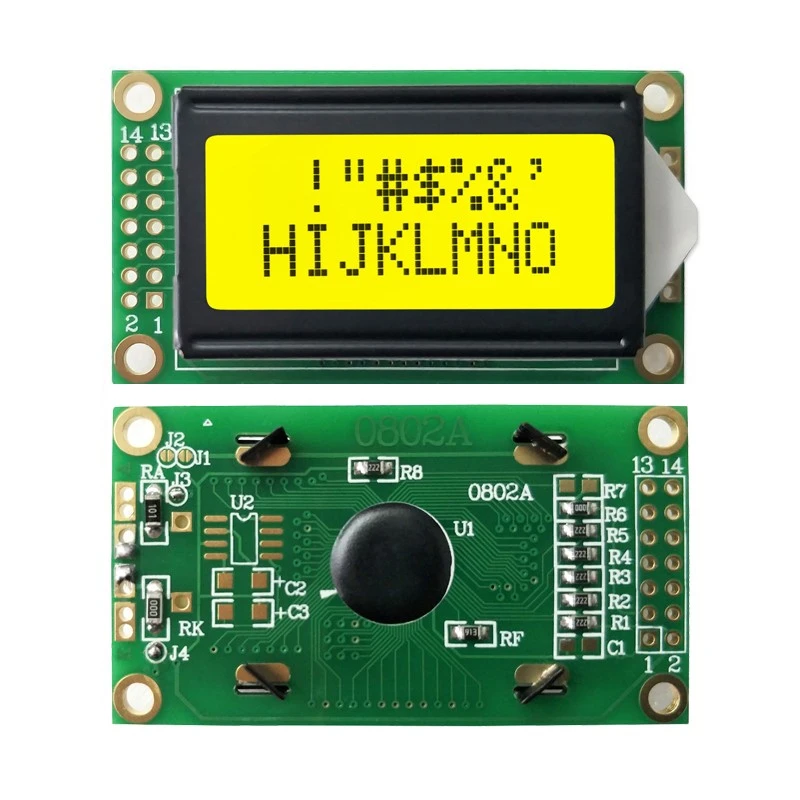
One of the biggest perks of using LCD character displays in kiosks is the cost. Kiosks are used in a wide range of applications, from information booths at malls to ticketing machines at train stations. For some of these applications, you don't need a high - end, full - color display. An LCD character display can do the job just fine at a fraction of the cost. For example, if you're setting up a simple kiosk to show bus schedules or opening hours of a store, a basic 0802 LCD Display can be a budget - friendly option. This display can show a small amount of text clearly, and you won't have to break the bank to install it.
Energy Efficiency
Another important factor is energy consumption. Kiosks are often running 24/7, so energy efficiency is a big deal. LCD character displays are known for being energy - efficient. They don't require as much power as larger, more complex displays. This means lower electricity bills in the long run. If you're operating a large number of kiosks, the savings on energy costs can really add up. For instance, a chain of fast - food restaurants using kiosks for ordering can benefit from the energy - saving features of LCD character displays.

Readability
LCD character displays offer excellent readability, even in different lighting conditions. Most of these displays have high contrast ratios, which means the text stands out clearly against the background. Whether the kiosk is placed in a brightly lit area like a supermarket or a dimly lit corner of a library, the information on the display can be easily read. The characters are sharp and well - defined, so there's no room for confusion. A 16 * 4 lcd display can show multiple lines of text, making it suitable for presenting more detailed information.
Durability
Kiosks are often in public areas where they can be subject to a fair amount of wear and tear. LCD character displays are quite durable. They're built to withstand vibrations, shocks, and temperature changes. This makes them a reliable choice for kiosks. For example, a kiosk at an outdoor event may be exposed to different weather conditions, but an LCD character display can still function properly. They also have a long lifespan, so you won't have to replace them frequently.
Ease of Integration
Integrating an LCD character display into a kiosk is relatively easy. These displays usually come with standard interfaces, such as serial or parallel ports. This means that they can be easily connected to the kiosk's control system. Whether you're using a Raspberry Pi or a more traditional industrial computer, you can hook up the display without too much hassle. Even if you're not a tech whiz, the installation process is straightforward.
Customization
While LCD character displays may seem simple, they can still be customized to some extent. You can choose different display sizes, character fonts, and backlighting options. For example, if you want to make the text on the display more visible at night, you can opt for a display with backlighting. You can also program the display to show different messages at different times. This flexibility allows you to tailor the kiosk's display to your specific needs.
Limitations
Of course, LCD character displays aren't perfect. They do have some limitations. For one, they can't show images or videos. So if your kiosk needs to display promotional videos or high - resolution graphics, an LCD character display won't cut it. Also, the amount of text they can show is limited compared to larger displays. If you have a lot of information to present, you may need to use a scrolling feature or break the information into multiple screens.
Applications in Kiosks
Let's look at some real - world applications of LCD character displays in kiosks.
Information Kiosks
These are the most common type of kiosks that use LCD character displays. They can be found in museums, airports, and shopping centers. An information kiosk can show details about exhibits, flight schedules, or store locations. For example, a museum kiosk can use an LCD character display to provide information about the history and significance of different artifacts.
Ticketing Kiosks
LCD character displays are also used in ticketing kiosks. They can show ticket prices, available seats, and departure times. For instance, at a movie theater kiosk, the display can show the movie titles, showtimes, and ticket prices. Customers can easily read the information and make their selections.
Ordering Kiosks
In restaurants and cafes, ordering kiosks are becoming more and more popular. An LCD character display can show the menu items, prices, and any special offers. Customers can place their orders directly at the kiosk, and the display can confirm the order details.
Conclusion
So, can LCD character displays be used in kiosks? Absolutely! They offer a cost - effective, energy - efficient, and reliable solution for a variety of kiosk applications. While they have their limitations, their advantages make them a great choice for many businesses. If you're in the market for a kiosk display and don't need all the bells and whistles of a high - end display, consider an LCD character display.
If you're interested in purchasing LCD character displays for your kiosks, I'd love to talk to you. We have a wide range of products, including the 0802 LCD Display and the 16 * 4 lcd display. Get in touch with us to discuss your requirements and find the perfect display for your kiosk.
References
- Smith, J. (2018). "The Basics of LCD Displays". Display Technology Journal.
- Johnson, A. (2019). "Kiosk Design and Implementation". Kiosk Solutions Magazine.