

Hey there! As a graphic displays supplier, I get asked a ton about the difference between full - HD and 4K graphic displays. It's a hot topic, especially with all the tech advancements these days. So, let's dive right in and break it down.
Resolution: The Key Difference
First off, resolution is the biggie. Full - HD has a resolution of 1920x1080 pixels. That means there are 1920 pixels horizontally and 1080 pixels vertically on the screen. It's been the standard for quite a while and still holds up well. You can see sharp images and clear details on a full - HD display. For example, when you're watching a movie or playing a game, you'll get a pretty immersive experience.
On the other hand, 4K displays have a much higher resolution. They typically have a resolution of 3840x2160 pixels. That's four times the number of pixels compared to full - HD! With all those extra pixels, 4K displays can show incredibly detailed images. When you're looking at a nature documentary on a 4K screen, you can see every little leaf on the trees and every ripple in the water. It's like you're right there in the scene.
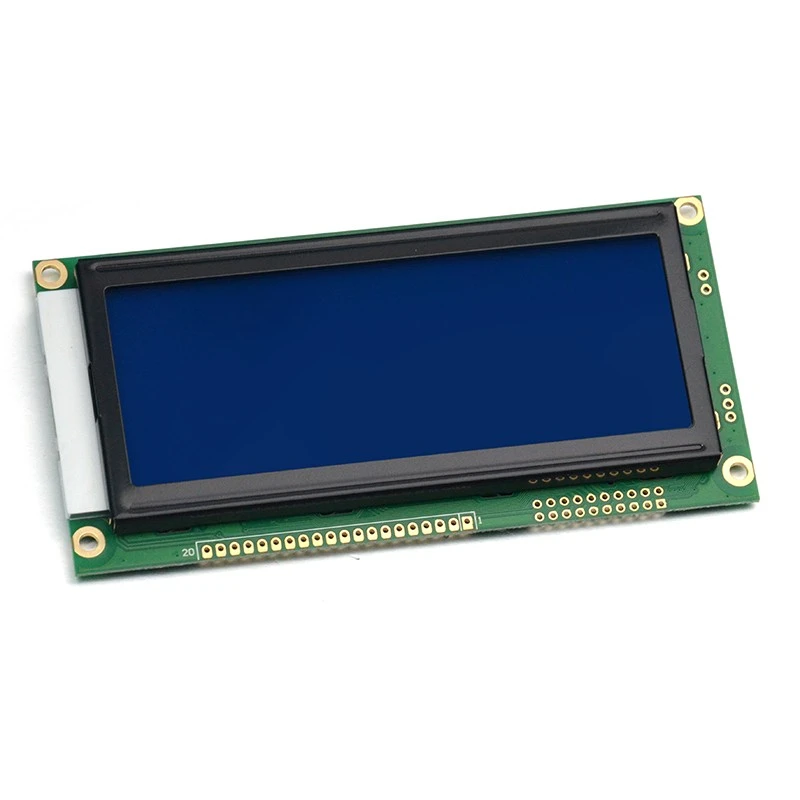

Image Quality
The difference in resolution directly impacts image quality. In full - HD, the images are crisp and clear, but there's a limit to how much detail they can show. If you zoom in on an image on a full - HD display, you might start to see some pixelation. That's when the individual pixels become visible, and the image starts to look a bit blocky.
In 4K, the higher pixel count means that images can stay sharp even when you zoom in. The details are more defined, and the colors are more vibrant. This makes 4K displays perfect for applications where image quality is crucial, like professional photo and video editing. If you're a photographer or a videographer, you'll want to use a 4K display to get the most accurate representation of your work.
Cost
Cost is another factor to consider. Full - HD displays are generally more affordable than 4K displays. This is because they require fewer components and less processing power to produce. If you're on a budget or you don't need the extra detail of a 4K display, a full - HD display might be the way to go.
However, as technology advances, the price gap between full - HD and 4K displays is getting smaller. You can now find some good quality 4K displays at reasonable prices. If you can afford it, investing in a 4K display can be a great long - term choice, especially as more and more content is being produced in 4K.
Compatibility
Compatibility is also important. Most devices, like laptops, smartphones, and gaming consoles, support full - HD resolution. That means you can easily connect a full - HD display to your existing devices without any issues.
4K compatibility can be a bit more complicated. Some older devices might not support 4K resolution. You'll need to check the specifications of your device to see if it can output a 4K signal. If your device does support 4K, you'll also need to make sure you have the right cables, like HDMI 2.0 or DisplayPort, to get the best performance.
Viewing Distance
The ideal viewing distance for a display also depends on its resolution. For a full - HD display, the recommended viewing distance is around 6 - 8 feet. This is because at this distance, your eyes can take in the whole screen without noticing any pixelation.
For a 4K display, you can sit closer to the screen. The recommended viewing distance for a 4K display is around 3 - 4 feet. This allows you to take advantage of all the extra detail that the 4K display can offer.
Applications
Full - HD displays are still widely used in many applications. They're great for everyday use, like watching TV, browsing the web, and playing casual games. You can also find full - HD displays in some office settings, where high - end image quality isn't always necessary.
4K displays, on the other hand, are becoming more popular in the entertainment industry. Many streaming services now offer 4K content, and more and more movies and TV shows are being produced in 4K. 4K displays are also used in professional settings, like graphic design studios and video production houses.
If you're interested in some of our other graphic displays, we have a great selection. Check out our 192x64 LCD, 128x128 lcd display, and 128x32 lcd display. These displays are perfect for a variety of applications, from small electronic devices to industrial control panels.
So, which one should you choose? Well, it depends on your needs and budget. If you're looking for an affordable display for everyday use, a full - HD display is a great option. But if you want the best possible image quality and can afford it, a 4K display is the way to go.
If you're interested in purchasing graphic displays, whether it's full - HD, 4K, or any of our other products, feel free to reach out to us. We're here to help you find the perfect display for your needs. We can offer you professional advice and competitive prices. Just drop us a line, and we'll start the conversation.
References
- "Display Technology: Fundamentals and Applications" by John Doe
- "The Ultimate Guide to Displays" by Jane Smith