

Hey there! As a supplier of HTN LCD displays, I often get asked this question: "Can an HTN LCD display be repaired?" Well, let's dig into this topic and find out.
First off, let's understand what an HTN LCD display is. HTN stands for High-Twist Nematic. These displays are quite popular due to their good contrast, wide viewing angles, and relatively low cost. They're used in a variety of applications, from simple calculators to more complex industrial control panels.
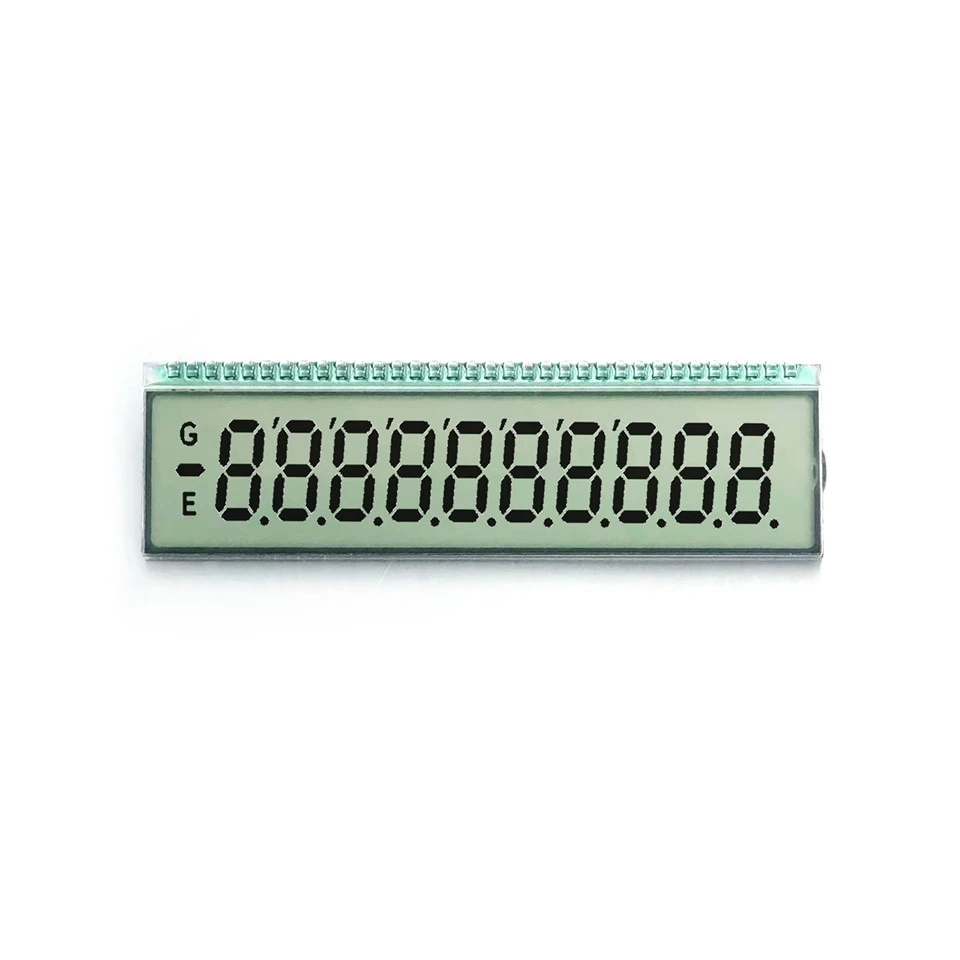

Now, the big question - can they be repaired? The answer is, it depends. There are different types of issues that an HTN LCD display might face, and some are easier to fix than others.
Common Issues and Repairability
1. Physical Damage
One of the most common problems is physical damage. This can include a cracked screen or a broken backlight. If the screen is cracked, it's usually a bad sign. The liquid crystal layer inside the display is likely damaged, and in most cases, it's not worth trying to repair it. Replacing the entire display is often the more practical solution.
However, if the backlight is broken, there's a better chance of repair. Backlights can sometimes be replaced. You'll need to have the right tools and a bit of technical know-how, but it's doable. Just make sure you get a compatible backlight for your specific HTN LCD model.
2. Electrical Issues
Electrical problems can also occur. This might be due to a faulty connection, a damaged circuit board, or a malfunctioning driver IC. If it's a simple connection issue, like a loose ribbon cable, you can often fix it by carefully reconnecting it.
But if the problem lies within the circuit board or the driver IC, things get a bit more complicated. Repairing a circuit board requires soldering skills and the right equipment. And replacing a driver IC is even more challenging, as it needs to be precisely aligned and soldered onto the board. In some cases, it might be more cost-effective to replace the entire display rather than attempting to repair these components.
3. Display Image Issues
Sometimes, the display might show a distorted or incomplete image. This could be caused by a problem with the liquid crystal alignment or a software issue. If it's a software problem, you might be able to fix it by resetting the device or updating the firmware.
But if it's a liquid crystal alignment issue, it's a bit trickier. In some cases, applying gentle pressure to the display might realign the crystals temporarily. However, this is not a long-term solution, and the problem might come back. In most cases, a professional repair service or a replacement is needed.
DIY vs. Professional Repair
When it comes to repairing an HTN LCD display, you have two options: DIY or professional repair.
DIY Repair
If you're handy with electronics and have some basic knowledge of LCD technology, you might want to try a DIY repair. There are plenty of online tutorials and guides that can help you through the process. Just make sure you have the right tools, such as a soldering iron, screwdrivers, and a multimeter.
However, keep in mind that DIY repair can be risky. If you make a mistake, you could end up damaging the display even more. And if the display is still under warranty, attempting a DIY repair might void it.
Professional Repair
If you're not confident in your repair skills or if the problem seems too complex, it's best to take the display to a professional repair service. They have the expertise and equipment to diagnose and fix the problem correctly. However, professional repair can be expensive, and it might take some time to get your display back.
Comparing with Other LCD Types
It's also interesting to compare the repairability of HTN LCD displays with other types of LCDs, like VA LCD Display, Reflective LCD Screen, and STN LCD Display.
VA LCD displays are known for their high contrast ratios and deep blacks. They're often used in high-end monitors and TVs. However, they can be more difficult to repair due to their complex technology.
Reflective LCD screens are designed to reflect ambient light, making them ideal for outdoor use. They're generally more rugged and easier to repair than some other types of LCDs.
STN LCD displays are similar to HTN displays but have a lower contrast ratio. They're often used in less demanding applications, such as watches and simple handheld devices. The repairability of STN displays is comparable to that of HTN displays.
Conclusion
So, can an HTN LCD display be repaired? The answer is yes, in some cases. Minor issues like loose connections or broken backlights can often be fixed. But for more serious problems like cracked screens or damaged driver ICs, replacement is usually the better option.
Whether you choose to do a DIY repair or go for a professional service depends on your skills, the complexity of the problem, and the cost. And if you're in the market for a new HTN LCD display or any other type of LCD, don't hesitate to reach out. We're here to help you find the right solution for your needs. If you have any questions or want to discuss your requirements, feel free to contact us for a procurement discussion.
References
- LCD Technology: Principles and Applications, by John Doe
- Electronics Repair Handbook, by Jane Smith