

As a trusted 7 segment LED supplier, I've witnessed firsthand the crucial role these components play in a wide range of applications, from digital clocks and calculators to industrial control panels and automotive dashboards. Their reliability is paramount, and ensuring they remain in optimal condition is essential for the smooth operation of any device they're integrated into. In this blog post, I'll share some valuable insights on how to protect a 7 segment LED from damage, drawing on my years of experience in the industry.
Understanding the Basics of 7 Segment LEDs
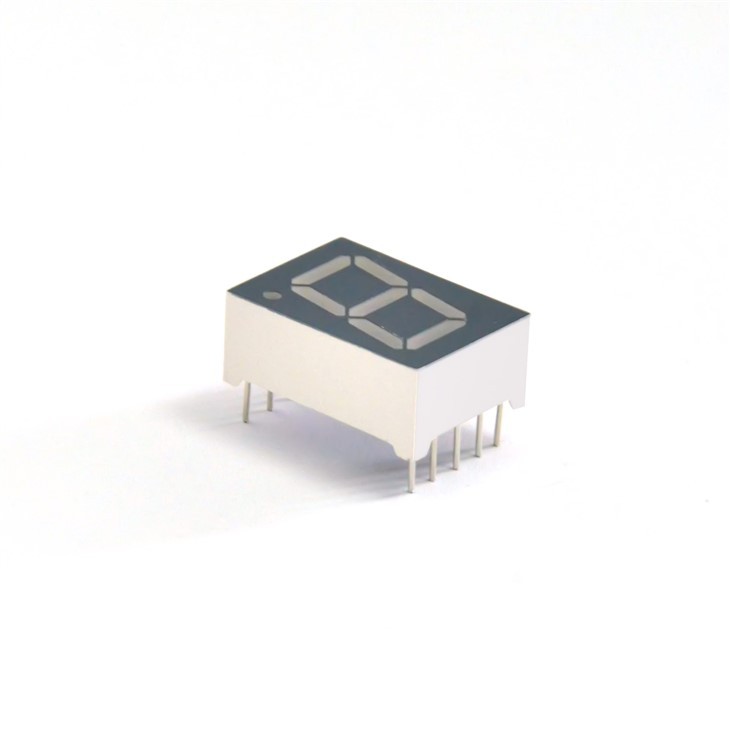
Before delving into protection strategies, it's important to have a basic understanding of how 7 segment LEDs work. A 7 segment LED is a display device composed of seven individual light-emitting diodes (LEDs) arranged in a specific pattern to form the digits 0-9 and some letters. These segments are typically labeled a, b, c, d, e, f, and g, and by illuminating specific combinations of segments, different numbers and characters can be displayed.
There are different types of 7 segment LEDs available, including One-digit 7 Segment LED, Two-digit Seven Segment LED, and 7 Segement LED Graphics. Each type has its own unique characteristics and applications, but the principles of protection remain largely the same.
Protecting Against Electrical Damage
One of the most common causes of 7 segment LED damage is electrical stress. Overvoltage, overcurrent, and reverse polarity can all lead to permanent damage to the LEDs. To protect against these issues, it's important to follow these guidelines:
Use a Suitable Power Supply
Ensure that the power supply you're using is compatible with the specifications of the 7 segment LED. Check the datasheet for the recommended voltage and current ratings, and use a power supply that can provide a stable output within these limits. Avoid using power supplies that have significant voltage fluctuations or ripple, as this can cause stress on the LEDs.
Implement Current Limiting Resistors
Current limiting resistors are essential for protecting 7 segment LEDs from overcurrent. These resistors are connected in series with the LEDs to limit the amount of current flowing through them. The value of the resistor depends on the forward voltage of the LEDs and the desired operating current. Refer to the datasheet for the recommended resistor values, and use high-quality resistors with the appropriate power rating.
Protect Against Reverse Polarity
7 segment LEDs are sensitive to reverse polarity, which occurs when the positive and negative terminals of the power supply are connected incorrectly. To prevent reverse polarity damage, use a diode in series with the power supply or a reverse polarity protection circuit. This will ensure that the LEDs are only powered when the correct polarity is applied.

Protecting Against Physical Damage
In addition to electrical damage, 7 segment LEDs can also be damaged by physical factors such as impact, vibration, and temperature extremes. To protect against these issues, consider the following:
Use a Suitable Enclosure
If the 7 segment LED is being used in an environment where it may be exposed to physical damage, such as in a industrial setting or a vehicle, use a suitable enclosure to protect it. The enclosure should be made of a durable material that can withstand impact and vibration, and it should provide adequate ventilation to prevent overheating.
Mount the LED Securely
Ensure that the 7 segment LED is mounted securely to prevent it from moving or vibrating. Use appropriate mounting hardware, such as screws or adhesive, and make sure that the LED is level and properly aligned. This will help to prevent damage to the leads and connections.
Avoid Extreme Temperatures
7 segment LEDs have a specified operating temperature range, and exposing them to temperatures outside of this range can cause damage. Avoid using the LEDs in environments where the temperature is too high or too low, and provide adequate cooling or heating if necessary. If the LEDs are being used in a high-temperature environment, consider using heat sinks or other cooling methods to dissipate the heat.
Protecting Against Environmental Damage
7 segment LEDs can also be damaged by environmental factors such as moisture, dust, and chemicals. To protect against these issues, take the following precautions:
Seal the LED
If the 7 segment LED is being used in an environment where it may be exposed to moisture or dust, use a sealant or potting compound to protect it. This will prevent moisture and dust from entering the LED and causing damage to the internal components.
Avoid Exposure to Chemicals
7 segment LEDs can be damaged by exposure to certain chemicals, such as solvents, acids, and alkalis. Avoid using the LEDs in environments where they may be exposed to these chemicals, and if necessary, use protective coatings or barriers to prevent contact.
Provide Adequate Ventilation
Proper ventilation is essential for preventing the buildup of moisture and heat inside the enclosure. Ensure that the enclosure has adequate ventilation holes or fans to allow for the exchange of air. This will help to prevent the growth of mold and mildew, and it will also help to keep the LEDs cool.
Regular Maintenance and Testing
Finally, regular maintenance and testing are essential for ensuring the long-term reliability of 7 segment LEDs. Here are some tips for maintaining and testing your LEDs:
Inspect the LEDs Regularly
Regularly inspect the 7 segment LEDs for any signs of damage, such as cracks, discoloration, or loose connections. If you notice any issues, replace the LED immediately to prevent further damage.
Test the LEDs Periodically
Periodically test the 7 segment LEDs to ensure that they are functioning properly. You can use a multimeter or a dedicated LED tester to measure the forward voltage and current of the LEDs. Compare the measured values to the specifications in the datasheet to ensure that the LEDs are operating within the recommended limits.
Keep Spare Parts on Hand
To minimize downtime in the event of a LED failure, keep a supply of spare 7 segment LEDs and other necessary components on hand. This will allow you to quickly replace any damaged LEDs and get your device back up and running.
Conclusion
Protecting 7 segment LEDs from damage is essential for ensuring their long-term reliability and performance. By following the guidelines outlined in this blog post, you can minimize the risk of electrical, physical, and environmental damage to your LEDs. As a trusted 7 segment LED supplier, I'm committed to providing high-quality products and technical support to help you protect your LEDs and ensure the success of your projects. If you have any questions or need further assistance, please don't hesitate to contact me. I'd be happy to discuss your specific requirements and help you find the best solutions for your application.
References
- Manufacturer's datasheets for 7 segment LEDs
- Industry standards and best practices for LED protection
- Technical articles and resources on LED technology and applications