

In the realm of digital displays, 7 segment LEDs have emerged as a cornerstone technology, offering a simple yet effective way to represent numerical and some alphabetical characters. As a trusted 7 segment LED supplier, I am excited to delve into the various types of 7 segment LEDs available in the market, their unique features, and their diverse applications.
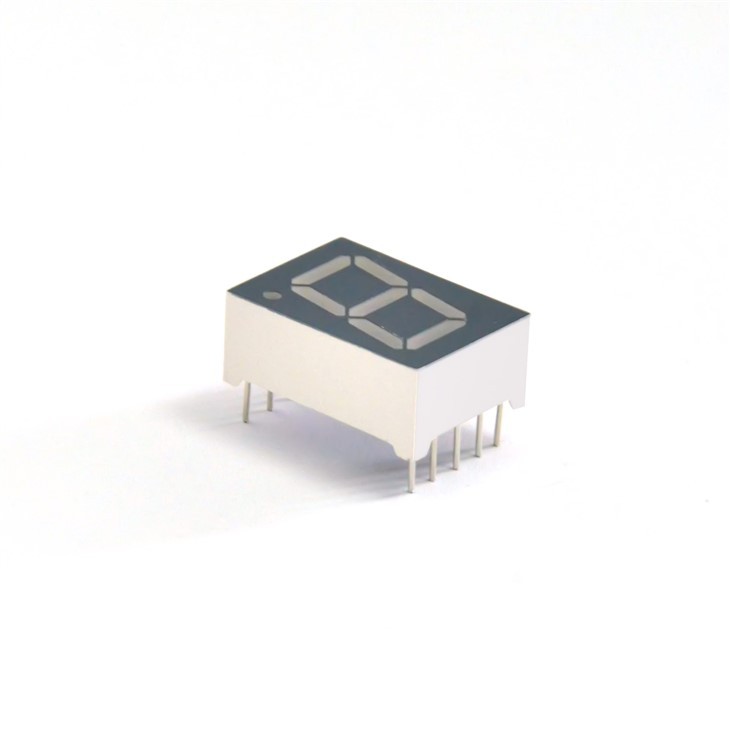
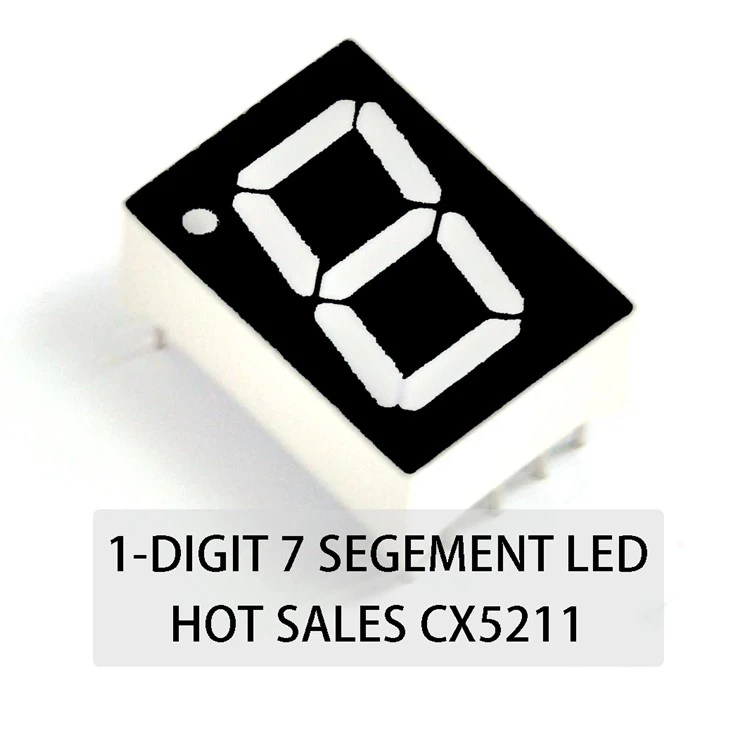
One-digit 7 Segment LED
The One-digit 7 Segment LED is the most basic form of 7 segment display. As the name suggests, it can display a single digit at a time, ranging from 0 to 9, along with a few alphabetic characters such as A, B, C, D, E, and F. This type of LED is commonly used in applications where only a single digit needs to be displayed, such as in calculators, digital thermometers, and simple timers.
One of the key advantages of one-digit 7 segment LEDs is their simplicity. They are easy to interface with microcontrollers and other digital circuits, making them a popular choice for hobbyists and DIY enthusiasts. Additionally, they are relatively inexpensive, making them a cost-effective solution for low-budget projects.
Two-digit Seven Segment LED
The Two-digit Seven Segment LED takes the concept of the one-digit display a step further by allowing the display of two digits simultaneously. This type of LED is commonly used in applications where a wider range of numerical values needs to be displayed, such as in digital clocks, scoreboards, and industrial control panels.
Two-digit 7 segment LEDs typically come in two configurations: common anode and common cathode. In a common anode configuration, all the anodes of the individual segments are connected together, while in a common cathode configuration, all the cathodes are connected together. The choice of configuration depends on the specific requirements of the application and the type of driver circuit being used.
Four-digit 7 Segment LED
The Four-digit 7 Segment LED is designed to display four digits at once, providing a larger display area and the ability to represent a wider range of numerical values. This type of LED is commonly used in applications where more complex numerical information needs to be displayed, such as in digital meters, counters, and digital signage.
Four-digit 7 segment LEDs often feature multiplexing technology, which allows multiple digits to be displayed using a single set of control lines. This reduces the number of pins required for interfacing with the display, making it more convenient and cost-effective. Additionally, some four-digit 7 segment LEDs may include additional features such as decimal points, colon indicators, and negative signs, further enhancing their functionality.
Other Types of 7 Segment LEDs
In addition to the standard one-digit, two-digit, and four-digit 7 segment LEDs, there are also other types of 7 segment displays available in the market. These include:
- Dot Matrix 7 Segment LED: This type of display combines the functionality of a 7 segment LED with a dot matrix display, allowing for the display of more complex characters and symbols. Dot matrix 7 segment LEDs are commonly used in applications where a higher level of customization and flexibility is required, such as in digital signage and industrial control systems.
- Alphanumeric 7 Segment LED: Alphanumeric 7 segment LEDs are capable of displaying both numerical and alphabetical characters, providing a more versatile display solution. These LEDs are commonly used in applications where text-based information needs to be displayed, such as in electronic devices, automotive dashboards, and public information displays.
- Bi-color and Tri-color 7 Segment LED: Bi-color and tri-color 7 segment LEDs are capable of displaying multiple colors, allowing for more visually appealing and dynamic displays. These LEDs are commonly used in applications where attention-grabbing displays are required, such as in advertising signage, gaming consoles, and decorative lighting.
Applications of 7 Segment LEDs
7 segment LEDs are used in a wide range of applications across various industries, including:
- Consumer Electronics: 7 segment LEDs are commonly used in consumer electronics products such as calculators, digital watches, and home appliances. They provide a simple and cost-effective way to display numerical information, making them an ideal choice for these types of applications.
- Industrial Automation: In industrial automation applications, 7 segment LEDs are used to display process variables, status indicators, and error messages. They are often used in conjunction with sensors and control systems to provide real-time feedback to operators.
- Automotive: 7 segment LEDs are used in automotive dashboards to display speed, fuel level, and other important information. They are also used in automotive lighting systems, such as brake lights and turn signals, to provide clear and visible indicators.
- Signage and Advertising: 7 segment LEDs are commonly used in signage and advertising applications to display messages, prices, and other information. They are often used in outdoor displays, where their high brightness and visibility make them an ideal choice.
Conclusion
As a 7 segment LED supplier, I understand the importance of providing high-quality products that meet the diverse needs of our customers. Whether you are looking for a simple one-digit display for a DIY project or a complex four-digit display for an industrial application, we have the expertise and resources to provide you with the right solution.
If you are interested in learning more about our 7 segment LED products or would like to discuss your specific requirements, please do not hesitate to contact us. Our team of experts is always available to provide you with the information and support you need to make an informed decision.
References
- "7 Segment Displays: A Comprehensive Guide." Electronics Tutorials.
- "Introduction to 7 Segment Displays." SparkFun Electronics.
- "7 Segment LED Displays: Types, Applications, and Working Principles." Circuit Digest.